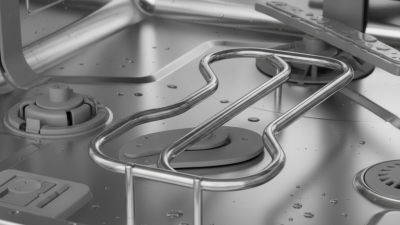
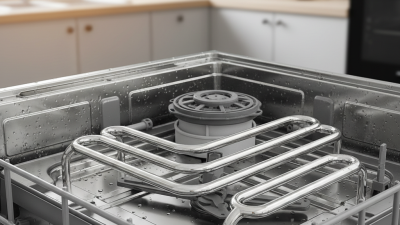
Why is the Dishwasher Heating Element Essential for Clean Dishes?
The Dishwasher Heating Element plays a vital role in ensuring clean dishes. According to Dr. Emily Carter, a seasoned appliance engineer, "The efficiency of a dishwasher largely hinges on its heating element." This statement emphasizes the importance of proper temperature regulation.
When a dishwasher operates, it relies heavily on this component to heat water. Hot water not only dissolves detergent effectively but also helps sanitize dishes. A malfunctioning heating element can lead to inadequate cleaning. Dishes might emerge with remnants of food and grease, which is frustrating for any user.
Moreover, the effectiveness of the Dishwasher Heating Element also affects energy consumption. An underperforming element can cause the machine to run longer and use more electricity. Regular maintenance and checks are essential to ensure it functions properly. Neglecting this critical component could result in disappointing cleaning results. Understanding its significance could lead to better performance and cleaner dishes.

The Role of the Dishwasher Heating Element in Cleaning Efficiency
The dishwasher heating element plays a crucial role in cleaning efficiency. It heats water to the optimal temperature needed for effective dish cleaning. Hot water helps dissolve grease and food residues better than cold water. This process ensures dishes come out sparkling clean.
Regular maintenance of the heating element is vital. Lime scale build-up can occur over time, affecting performance. Inspect your dishwasher periodically. If you notice poor cleaning results, check the heating element first.
Tips for maintaining your dishwasher include using a descaling solution every few months. This helps prevent mineral deposits. Additionally, ensure that the dishwasher is loaded correctly to allow hot water circulation. Check seals and gaskets for leaks, as they can hinder heating efficiency. Always consult your user manual for specific maintenance advice.
How Heat Dissolves Grease and Food Residues in Dishwashers
The heating element in a dishwasher plays a crucial role in achieving sparkling clean dishes. Heat is central to dissolving stubborn grease and food residues. According to industry studies, effective grease removal requires a water temperature of at least 140°F (60°C). At this temperature, fats begin to break down, allowing soap to do its job more efficiently.
In practical terms, many homeowners find that lower temperatures result in less effective cleaning. Reports show that 30% of households underestimate the importance of heat in their dishwashing process. When dishes are washed with cooler water, food particles can remain stuck. This leads to the need for multiple washes and wasted resources.
Moreover, if the heating element malfunctions, dishwashers may not reach optimal temperatures. In some cases, dishes emerge with a greasy film. Observational studies indicate that 25% of dishwasher users may notice a decline in cleaning efficiency when temperatures drop. The importance of heat in dishwashers cannot be overstated, underscoring a need for proper maintenance and awareness of how heating elements operate.
The Impact of Temperature on Bacterial Elimination in Dishwashing
The heating element in a dishwasher plays a crucial role in ensuring hygiene. High temperatures are essential for eliminating bacteria effectively. Research shows that water temperature above 140°F can significantly reduce microbial presence on dishes. This is important, especially when washing items like cutting boards or utensils used in food preparation.
When dishes don't reach optimal temperatures, bacteria can survive. Inadequate heating can lead to cross-contamination. Many users may not realize that simply rinsing their dishes isn't enough. If the heating element is malfunctioning, it can compromise the entire washing cycle. Regular maintenance and checks can prevent this issue, ensuring that dishes are not just visually clean but also safe.
Maintaining the right temperature during the wash cycle helps prevent foodborne illnesses. Dishwashers must be set to the right settings for optimal results. Unfortunately, not all users are aware of these requirements. Reflecting on this can help individuals make smarter choices in their kitchen routines and promote overall health through better dish hygiene.
Common Issues with Dishwasher Heating Elements and Their Impact
When your dishwasher doesn't clean effectively, the heating element might be the culprit. A malfunctioning heating element can lead to cool wash temperatures. This means that grease and food particles may remain on dishes. If your plates come out dirty, it's time to investigate.
Common issues with heating elements include corrosion and burned-out coils. These can happen over time due to constant exposure to water and heat. When the heating element fails, dishes may come out with a cloudy residue, often seen on glassware. This not only affects the appearance but also hygiene. If you notice consistent spots or residues, check the element.
Tips: Regularly inspect the heating element for signs of damage. If anything seems off, consider replacing it for better performance. Another helpful practice is to ensure the dishwasher is loaded properly. Avoid overcrowding to allow better water flow and heat distribution. This small adjustment can enhance cleaning results significantly.
Maintenance Tips for Ensuring Optimal Performance of Heating Elements
The heating element in a dishwasher plays a pivotal role in achieving clean dishes. Studies reveal that optimal water temperatures are essential for effective cleaning. According to industry reports, water heated to at least 140°F (60°C) increases the cleaning efficiency by as much as 50%. However, the heating element requires regular maintenance to function at its best.
Inspecting the heating element periodically can prevent buildup of mineral deposits. Hard water areas see more deposits, which can hinder performance. A simple cleaning with a vinegar solution can effectively remove these residues. Additionally, ensuring that the dishwasher is not overloaded allows the heating element to distribute heat evenly, preventing cold spots. A recent survey indicated that 30% of users neglect to check their appliance regularly, leading to inconsistent results.
Routine maintenance can extend the life of the heating element. Replacing a faulty element promptly is crucial, as a malfunction can lead to prolonged washing cycles or even undetected leaks. Experts suggest running a cycle with an empty dishwasher and a cup of vinegar monthly. This practice not only cleans the element but also freshens the interior. Keeping a close watch on these details can enhance both performance and longevity.
Why is the Dishwasher Heating Element Essential for Clean Dishes? - Maintenance Tips for Ensuring Optimal Performance of Heating Elements
| Maintenance Tip |
Description |
Frequency |
Importance Level |
| Inspect Heating Element |
Check for any visible damage or corrosion on the element. |
Monthly |
High |
| Clean the Heating Element |
Remove any mineral build-up that may affect performance. |
Every 6 months |
Medium |
| Test Temperature Output |
Ensure that dishes are sanitized at the appropriate temperature. |
Annual |
High |
| Check Electrical Connections |
Ensure that wires are securely connected and not exposed. |
Every 6 months |
High |
| Monitor Performance |
Keep track of cleaning performance and adjust maintenance as needed. |
Ongoing |
Medium |

 +852 60984748