10 Essential Tips for Maintaining Your Dishwasher Heating Element
Maintaining your dishwasher heating element is essential for optimal performance. According to John Smith, a renowned appliance expert, "A well-maintained heating element can significantly extend the life of your dishwasher." This statement underscores the importance of proper care and maintenance.
Your dishwasher relies on its heating element to ensure that water reaches the right temperature. When this part falters, it can lead to poor cleaning results. It's crucial to routinely check for signs of wear, such as corrosion or debris buildup. Ignoring these signs can result in costly repairs or a complete system breakdown.
Regular maintenance is not just about cleaning; it's also about awareness. Understanding how your dishwasher operates will empower you to address minor issues before they escalate. While some users might overlook this component, neglect can lead to inefficiency and added energy costs. Keeping your dishwasher heating element in peak condition enhances performance and promotes a longer lifespan.
Understanding the Role of the Dishwasher Heating Element
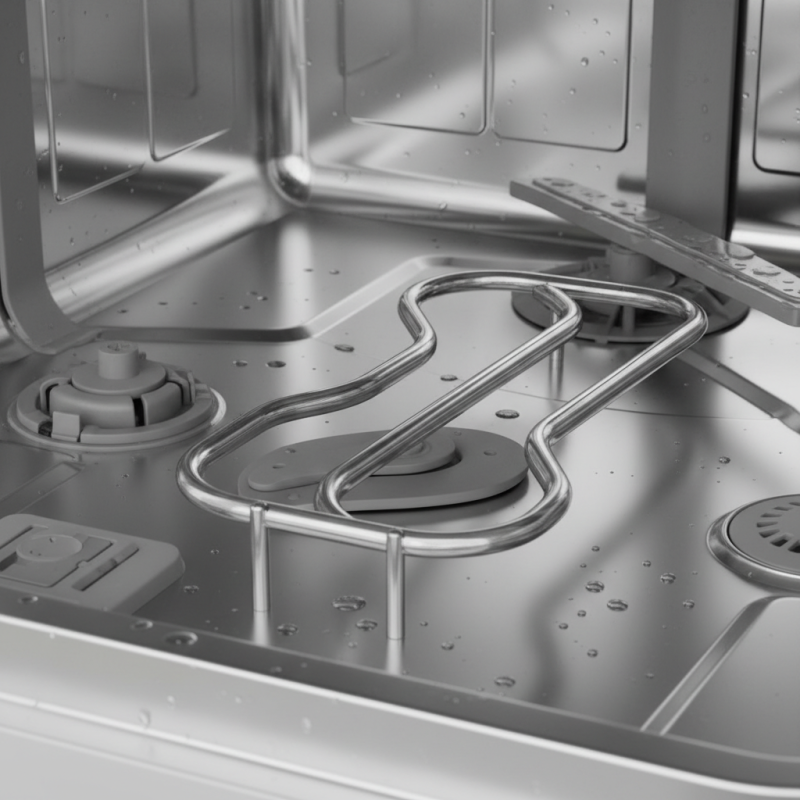
The dishwasher heating element plays a crucial role in ensuring your dishes come out clean and hygienic. It heats water to high temperatures, which is essential for effective cleaning and sanitizing. A malfunctioning heating element can lead to dishes that are still dirty or even greasy, leaving you frustrated.
One essential tip is to inspect the heating element regularly. Look for visible damage or corrosion. A quick visual check can save you from bigger problems down the road. Remember to clean the element to remove any debris that may accumulate over time. Sometimes, neglected areas can lead to inefficiency.
Another important aspect is ensuring the dishwasher is loaded correctly. Overloading can block the heating element, causing it to work harder than necessary. This stresses the component, leading to premature failure. Take time to space out your dishes properly. It's a simple way to enhance performance and longevity.
Common Signs of a Faulty Heating Element
A malfunctioning heating element can lead to poor cleaning results and rising energy bills. Watch for signs like uneven drying. If your dishes come out wet, the heating element might be struggling. This can mean that your dishwasher isn't heating water properly, affecting performance.
Another sign is unusual noises during operation. If you hear loud banging or humming, it could indicate a failing element. Inconsistent temperature is also a red flag. If the water isn’t hot enough, your dishes won’t be sanitized well. Check for error codes on the display as well. The system sometimes alerts you to heating issues.
Inspect the heating element visually if you can. Look for corrosion or damage. A burned or broken element isn’t functional. Regular maintenance can help extend its life. Yet, don't ignore small issues; they often lead to bigger problems. Keeping an eye on these signs will ultimately save you time and money.
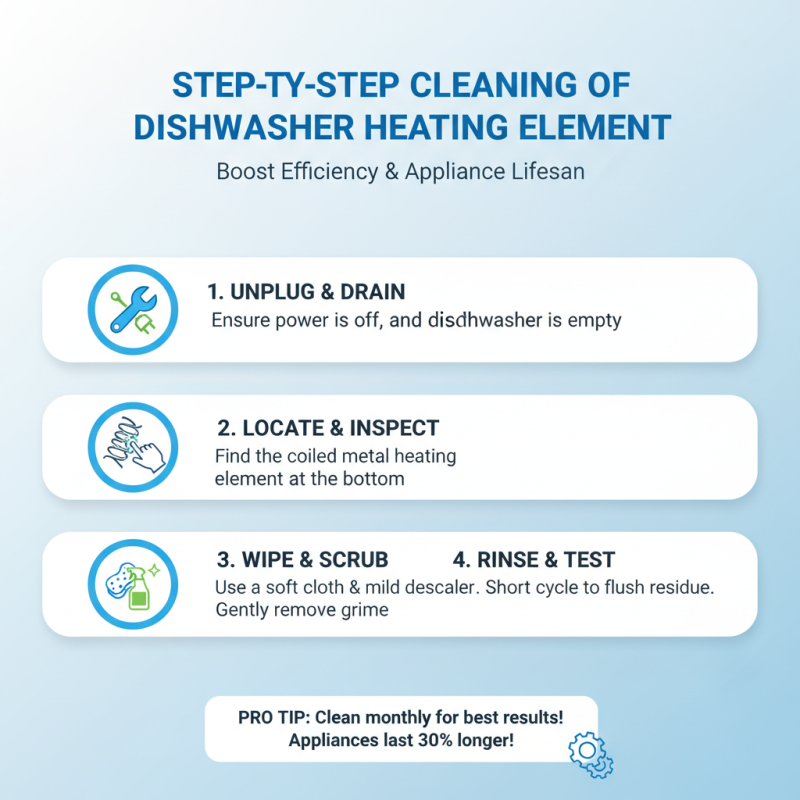
Step-by-Step Cleaning of the Heating Element
Cleaning the heating element of your dishwasher is crucial for optimal performance. A dirty heating element can lead to inefficient heating and longer cycle times. According to a study by the International Association of Plumbing and Mechanical Officials, appliances that are regularly maintained can last 30% longer than those that aren’t. Here’s how to ensure your heating element stays in top condition.
Start by unplugging the dishwasher to ensure safety. Use a damp cloth to wipe the heating element gently. This removes grime and food residue, which impede its function. It’s essential to inspect for limescale or mineral buildup. Regular descaling is vital, especially in areas with hard water. Experts recommend doing this every three to six months to maintain efficiency.
Occasionally, damage may go unnoticed. Look for any signs of wear or corrosion. If you notice any cracks, it might be time for a replacement. Remember, even a well-maintained appliance can have parts that wear down. Keeping a close eye on the heating element extends its life and saves money. Regular cleaning leads to improved heat distribution, so make this a routine part of your dishwasher maintenance.
Regular Maintenance Practices for Optimal Heating Efficiency
Maintaining your dishwasher's heating element is crucial for optimal performance. A clean heating element ensures that water reaches the right temperature for effective cleaning. Neglecting this component can lead to inefficient washes and increased energy costs. Regular inspections help catch potential issues early.
One effective practice is to check for mineral buildup. Hard water can leave deposits that diminish heating efficiency. To remove buildup, mix equal parts vinegar and water and apply it to the element. Be sure to scrub gently with a soft cloth. Rinsing it thoroughly afterward is essential. This simple step can significantly enhance its functioning.
Inspecting the surrounding area is crucial as well. Look for any signs of wear or damage to the wiring. Fragile connections might cause inconsistent heating or even complete failure. Listening for unusual sounds during operation can also be revealing. If you notice anything odd, addressing it promptly can save you time and money later. Regular maintenance practices create a reliable dishwashing experience.
10 Essential Tips for Maintaining Your Dishwasher Heating Element - Regular Maintenance Practices for Optimal Heating Efficiency
| Tip Number |
Maintenance Tip |
Frequency |
Description |
| 1 |
Clean the Heating Element |
Monthly |
Remove any debris or build-up that may affect heating efficiency. |
| 2 |
Inspect for Damage |
Quarterly |
Check the element for cracks or corrosion that might hinder performance. |
| 3 |
Test Heating Performance |
Monthly |
Run a test cycle to ensure the element is heating appropriately. |
| 4 |
Check Electrical Connections |
Biannual |
Ensure all connections are secure and free from oxidation. |
| 5 |
Run Vinegar Wash |
Monthly |
Use vinegar to help dissolve mineral deposits that could impair performance. |
| 6 |
Use Soft Water |
Ongoing |
If possible, use soft water to reduce scaling on the heating element. |
| 7 |
Inspect and Replace Water Filters |
Every 6 months |
Clogged filters can reduce water flow and heating efficiency. |
| 8 |
Monitor Water Temperature |
Ongoing |
Ensure your water temperature is set correctly for optimal performance. |
| 9 |
Check for Leaks |
Monthly |
Leaks can lead to rust and damage to the heating element. |
| 10 |
Schedule Professional Maintenance |
Annually |
Have a technician perform a thorough check-up and maintenance. |
Troubleshooting Tips for Dishwasher Heating Element Issues
When your dishwasher heating element malfunctions, it can disrupt the entire cleaning process. Common issues include insufficiently hot water or dishes that remain dirty after a cycle. Start by checking for visible damage. Look for cracks or breaks in the heating element. If you notice any, it may need replacement.
Another troubleshooting tip is to inspect the wiring. Loose or damaged wires can hinder the heating element's performance. Ensure all connections are secure. It might help to use a multimeter to test for electrical continuity. If there's no continuity, it’s a sign that the heating element is faulty.
Keep in mind that mineral buildup can also affect heating efficiency. Regularly cleaning your dishwasher can prevent this issue. Consider using a descaling agent to maintain performance. However, it's essential to balance maintenance with caution. Overcleaning can cause damage. Listen to your machine during cycles. Strange noises may indicate deeper issues requiring professional assistance. Be mindful and proactive to ensure your dishwasher operates smoothly.
10 Essential Tips for Maintaining Your Dishwasher Heating Element
This bar chart displays the frequency of common issues related to dishwasher heating elements, along with tips for maintenance and troubleshooting. Keeping a check on these issues can help prolong the life of your dishwasher.

 +852 60984748