Why You Should Choose the Right Stove Heating Element for Your Kitchen?
Choosing the right stove heating element is crucial for any kitchen. An expert in kitchen appliances, David Richards, emphasizes, "The heating element can make or break your cooking experience." This statement highlights the importance of selecting a quality stove heating element. An inappropriate choice can lead to uneven cooking or even safety hazards.
In kitchens, the heating element is often overlooked. Many people fail to understand its significance. An efficient stove heating element provides consistent heat. It ensures your meals are cooked to perfection. A poorly selected element may result in frustration during meal preparation. This can waste time and degrade the cooking process.
Investing in the right stove heating element is a key decision. It enhances cooking safety and efficiency. High-quality elements can also lead to lower energy bills. However, many consumers are unaware of the variety available. Thus, it's essential to do thorough research before making a choice. Balancing cost and quality is often challenging. Consider your cooking habits and needs to find the best fit.
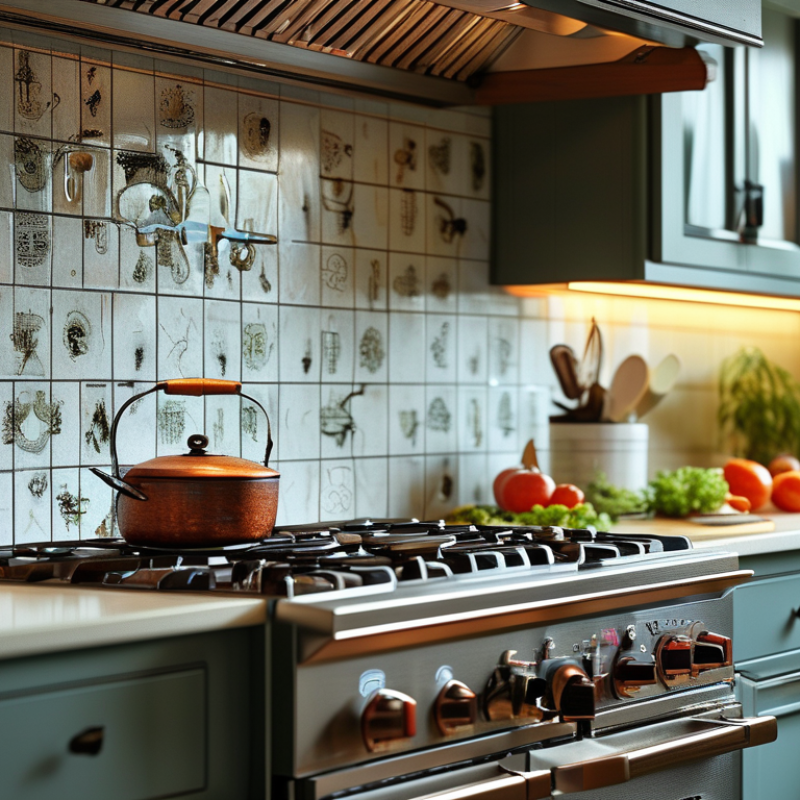
Understanding Different Types of Stove Heating Elements Available in the Market
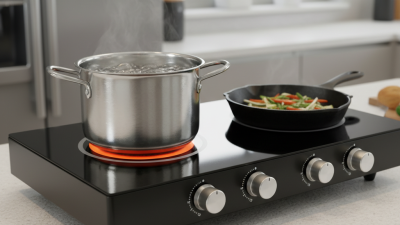
When choosing a stove heating element, familiarity with available options is critical. Electric stoves often feature coil elements, which are simple and efficient. They heat up quickly, making them a popular choice. However, they can be harder to clean due to their exposed design, collecting spills and food debris.
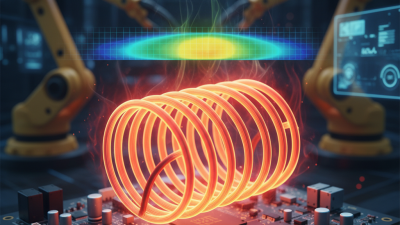
Induction heating elements are another option, using electromagnetic energy for quick heating. They are also energy-efficient and safe, turning off when cookware is removed. However, they require compatible cookware, which may limit some users. Lastly, ceramic radiant elements provide a sleek appearance. They heat gradually, offering a gentle cooking experience, but might not deliver the rapid heating some cooks prefer.
Understanding the differences is essential for making an informed choice. Each type has its pros and cons. Some may find cleaning a hassle, while others might crave uniform heating. Choosing the wrong element can affect cooking performance. It's worth considering your cooking habits and needs before making a decision. Each type will suit different preferences and lifestyles.
Comparing Efficiency and Performance of Various Stove Heating Elements
Choosing the right stove heating element can significantly impact your cooking experience.
Electric coil, induction, and ceramic elements each offer unique advantages.
Electric coils retain heat well but can take longer to heat up.
Induction elements provide rapid heating and precise temperature control.
However, they require compatible cookware, which may not be available in every kitchen.
Efficiency is another crucial consideration.
Induction tends to be the most energy-efficient. It heats only the cookware, minimizing energy waste.
Electric coils are less efficient as they distribute heat over a broader area.
Ceramic elements offer a balance of heating efficiency and aesthetic appeal.
Yet, they might not deliver heat as consistently as coil or induction options.
Understanding the performance of each type will help you decide based on your cooking habits.
Some may prefer instant heat, while others value gradual cooking.
An inefficient element may lead to longer cooking times and higher utility bills.
Reflect on your priorities in the kitchen before making a choice.
Each element has strengths and weaknesses.
Recognizing these will lead to smarter cooking solutions.
Factors to Consider When Choosing a Stove Heating Element for Your Kitchen
Selecting the right stove heating element is crucial for your kitchen's efficiency. Factors like
size, compatibility, and wattage greatly influence performance.
It’s essential to choose an element that fits your stove model perfectly.
Mismatched sizes can lead to ineffective heating
or even safety hazards.
When considering wattage, think about your cooking style. High-wattage elements provide faster heating,
but they can consume more energy. If you often cook elaborate meals, a higher wattage might be a good fit. Conversely,
if you typically prepare simple dishes, a standard wattage could suffice, and save energy.
Tips: Look for elements with
consistent reviews online. Consult user experiences for insights about durability and performance. Also, consider the
material of the heating element.
Stainless steel often offers better longevity than other materials.
Remember that the right choice enhances cooking efficiency and helps avoid frequent replacements.
How the Right Stove Heating Element Affects Cooking Results and Energy Use
Choosing the right stove heating element significantly impacts cooking results and energy efficiency. According to the U.S. Department of Energy, using the appropriate heating element can reduce energy costs by up to 20%. Different elements, such as induction, radiant, and coil burners, each provide unique heating efficiencies. Induction cooktops, for example, direct energy to the cookware, allowing for faster heating and less wasted energy.
The cooking results can also vary considerably based on the element chosen. Induction burners heat pans quickly, reducing cooking time. Conversely, coil burners take longer and release heat into the surrounding air, which can lead to uneven cooking. A study by the American Council for an Energy-Efficient Economy highlights that 85% of home cooks reported better results with induction compared to other types. The ability to achieve precise temperature control helps prevent overcooking and enhances the flavors of your dishes.
While selecting heating elements, consider both efficiency and personal cooking style. Induction may excel in performance, but its compatibility with certain cookware could limit some users. Overall, understanding how each stove heating element affects your cooking and energy bills is crucial in making an informed decision. Making the right choice can lead to better meals and a more sustainable kitchen environment.
Why You Should Choose the Right Stove Heating Element for Your Kitchen?
| Heating Element Type |
Typical Wattage |
Heat-Up Time (min) |
Energy Efficiency |
Best Use Case |
| Coil Element |
1200-3000W |
5-10 |
Moderate |
Basic Cooking |
| Ceramic Element |
1200-3000W |
6-8 |
High |
Baking & Simmering |
| Induction Element |
1400-3700W |
3-5 |
Very High |
Precision Cooking |
| Halogen Element |
1200-3000W |
2-4 |
High |
Quick Cooking |
Maintenance Tips for Extending the Lifespan of Your Stove Heating Element
Maintaining your stove heating element is crucial for optimal kitchen performance. Regular cleaning helps prevent food residue buildup, which can impact heating efficiency. According to industry reports, a well-maintained stove can last up to 50% longer than one that is neglected. Cleaning after each use is simple. Just let it cool, then wipe it down with a damp cloth.
Tip: Checking connections is essential. Loose or corroded connections can reduce energy efficiency. Experts recommend inspecting these connections monthly. If you notice any issues, address them promptly to avoid bigger problems.
Another tip is to avoid using heavy pots. Excessive weight can damage the element over time.
Be aware that each type of heating element has unique maintenance needs. Solid elements may require different care than coil elements. Refer to user manuals for specific instructions and guidelines. This awareness can save you from costly repairs down the line. Addressing these minor issues can ensure your stove continues to perform efficiently.

 +852 60984748