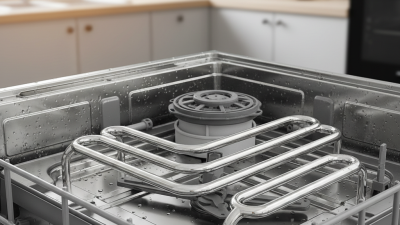
How to Choose the Right Water Heater Coil for Your Needs?
Choosing the right Water Heater Coil is essential for efficiency and comfort in your home. Jim Carter, a seasoned expert in heating technologies, once stated, "The right coil can make all the difference in your energy bills." Understanding your needs can guide this choice.
A Water Heater Coil works by heating water for various demands. Low-quality coils may lead to higher costs over time. Even a minor error in selection can result in inadequate heating or excessive energy consumption. Think about your household size. A larger family might need a more powerful coil to ensure everyone has hot water when needed.
Many overlook the importance of compatibility when selecting a Water Heater Coil. Not every coil fits every water heater. It requires some research to find the perfect match. If you rush this decision, you may face issues later. Reflecting on these factors can enhance your decision-making process. Remember, investing time now can save you money later.
Understanding the Different Types of Water Heater Coils Available
Choosing the right water heater coil can significantly impact your home's energy efficiency and comfort. Various types of coils exist, each designed for different needs. Understanding these options helps in making an informed decision.
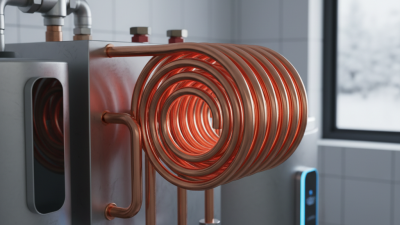
Copper coils offer excellent heat conductivity. They are often favored for their durability and resistance to corrosion. However, they can be more expensive to install. Stainless steel coils, on the other hand, are less costly and quite reliable. They may not conduct heat as efficiently as copper but can withstand high temperatures and pressure.
There are also aluminum coils. They can be lightweight and cost-effective but might require more maintenance over time. Evaluating the trade-offs is crucial. Consider factors such as budget, installation cost, and long-term benefits. A thorough understanding will help avoid regrets later on. Balancing efficiency with cost is not always straightforward, and personal circumstances will vary.
Evaluating Your Hot Water Needs for Proper Coil Selection
When selecting the right water heater coil, understanding your hot water needs is essential. Determine how many people live in your home. More residents generally mean higher hot water demand. Consider peak usage times, like morning showers or evening dishwashing. Accurately assessing these factors prevents issues, such as running out of hot water when you need it the most.
Tips: Record your typical water usage. Track how many gallons are used daily. This data helps to identify your specific requirements. It’s crucial to observe your habits. Do you take long showers? Or do you prefer quick washes? Each choice impacts your overall needs.
Another aspect to evaluate is the temperature settings. Higher temperatures may mean more hot water. However, this can increase energy costs. Assess what water temperature you prefer for various activities. Striking a balance between comfort and efficiency is vital. Ultimately, your choice should suit your lifestyle while being mindful of energy consumption.
Key Factors to Consider When Choosing a Water Heater Coil
Choosing the right water heater coil is crucial for efficient heating systems. Key factors must be considered to ensure optimal performance. First, analyze the coil material. Copper is a popular choice due to its impressive thermal conductivity. According to a 2022 report by the International Energy Agency, using copper coils can increase heating efficiency by up to 25%. This superior performance often leads to lower energy bills, which is a significant budget consideration.
Next, consider the coil’s size. A properly sized coil will ensure faster heating and greater energy efficiency. Oversized coils may lead to wasted energy, while undersized coils can struggle to meet hot water demands. The Department of Energy suggests that a household of four typically requires a 30-40 gallon coil for steady hot water access. However, individual needs vary. It's critical to evaluate your specific requirements, such as household size and peak usage times.
Lastly, the coil’s design plays a significant role in efficiency. A well-designed coil can minimize heat loss, and enhancing heat transfer is vital. Recent findings from a 2023 energy efficiency study indicate that optimally designed coils could save up to 15% more energy compared to standard models. However, installation complexities can arise if the team lacks experience, leading to potential issues. Choosing the right coil is more than a purchase; it’s about future-proofing your investment.
Exploring Material Options for Water Heater Coils: Pros and Cons
When selecting a water heater coil, material choice is essential. Coils come in several materials, each with unique advantages and drawbacks. Copper is a popular option due to its excellent heat transfer properties. According to industry data, systems with copper coils can achieve efficiency levels up to 98%. However, copper can be prone to corrosion over time, especially in hard water conditions.
Stainless steel offers another alternative. It is highly resistant to corrosion, making it ideal for various water qualities. A recent study shows that stainless steel coils can last twice as long as copper. But, these coils generally come with a higher upfront cost. Additionally, they may not heat water as effectively as copper, potentially leading to longer wait times for hot water.
Consider these tips when choosing your water heater coil material. Evaluate your water quality and heating needs. If your area has hard water, stainless steel may be the better option. On the other hand, if efficiency is your priority, copper could be more suitable, provided you take care of it properly. Always assess the long-term costs, not just the initial price.
Installation and Maintenance Tips for Your Chosen Water Heater Coil
When it comes to maintaining your water heater coil, proper installation is key. Ensure that the coil is fitted securely to your system. An incorrectly installed coil can lead to leaks or inefficient heating. Verify that all connections are tight and that there’s no room for air pockets, which can hinder performance. Pay attention to the material of the coil. Copper coils, for example, are popular for their durability and quick heat transfer.
Routine maintenance is essential for optimal performance. Regularly check your water heater coil for signs of corrosion. Look for rust spots or mineral buildup, which can affect heating efficiency. Cleaning the coil every few months can prevent this. Make sure to flush the system annually to remove sediment. Sediment buildup can significantly reduce the coil's lifespan and overall efficiency.
Being reflective on your usage habits can also help. If your family’s hot water needs have changed, it might be time to assess whether your current coil still meets these needs. Oversized coils can waste energy, while undersized ones can lead to dissatisfaction. Evaluate how often you run hot water and adjust your maintenance routine accordingly.
How to Choose the Right Water Heater Coil for Your Needs?
| Feature |
Type A (Copper Coil) |
Type B (Stainless Steel Coil) |
Type C (Plastic Coil) |
| Durability |
Moderate |
High |
Low |
| Heat Conductivity |
Excellent |
Good |
Poor |
| Resistance to Corrosion |
Low |
High |
Moderate |
| Installation Cost |
Moderate |
High |
Low |
| Lifespan |
10-15 years |
15-20 years |
5-10 years |

 +852 60984748