China Best Water Heater Coil Options for Efficient Home Heating?
When it comes to choosing the best water heater coil options for efficient home heating, expert insights are invaluable. Dr. Emily Zhang, a leading figure in thermal technology, states, "The right water heater coil can significantly enhance energy efficiency." Her expertise brings to light the importance of selecting high-quality coils for better performance.
Water heater coils are essential for transferring heat efficiently. They are a core component in many home heating systems. Selecting the right coil can lead to substantial energy savings. However, the market is filled with various options, which can be overwhelming for homeowners. Many factors need consideration, such as material, size, and efficiency ratings.
Despite the advancements, not all water heater coils perform equally. Some may not withstand high pressure or corrosion. Homeowners often overlook these details, leading to inefficient heating solutions. The goal should always be to make informed choices. Understanding the nuances of water heater coils can lead to a warmer, more efficient home.
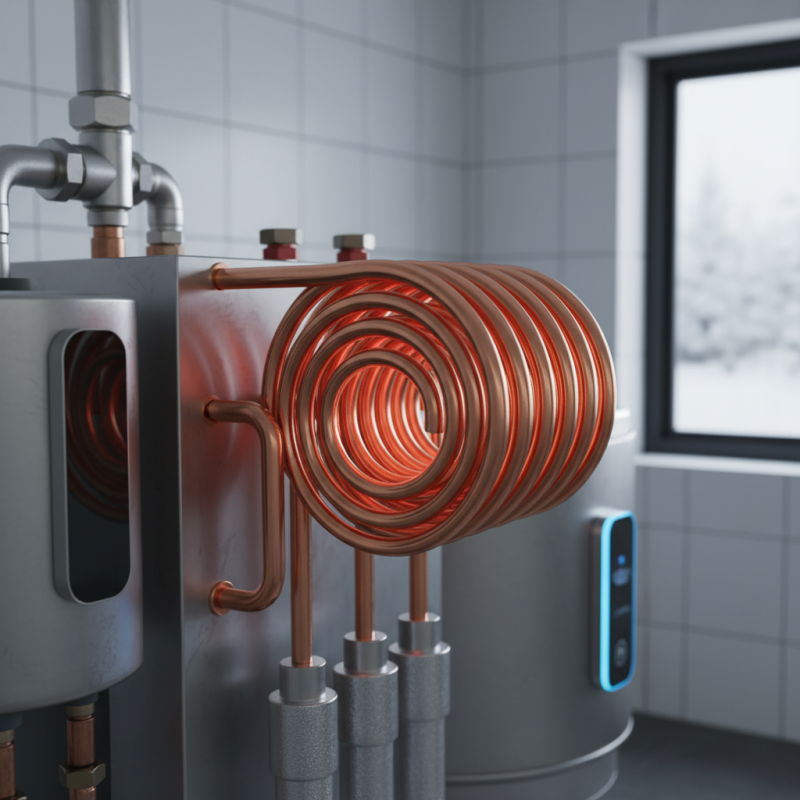
China's Leading Brands for Water Heater Coils
When considering water heater coils, several key factors come into play. Chinese manufacturers lead the market with innovative designs. They prioritize durability and efficiency. Many of these coils are crafted from high-quality materials. This enhances their lifespan and performance.
Several leading brands focus on advanced technology. They employ unique heating methods to optimize energy use. Homeowners benefit from lower utility bills. Users often report impressive heating speeds and reliability. While these brands offer significant advantages, some consumers may find the options overwhelming. It’s essential to compare features carefully.
Maintenance is a critical aspect to consider. Regular checks and cleaning can extend the lifespan of water heater coils. Some products may require specific care guidelines, which are often overlooked. This can lead to reduced efficiency. Ensuring that you understand each option's requirements and potential drawbacks will help in making an informed choice.
China Best Water Heater Coil Options for Efficient Home Heating
Types of Water Heater Coils Available in China
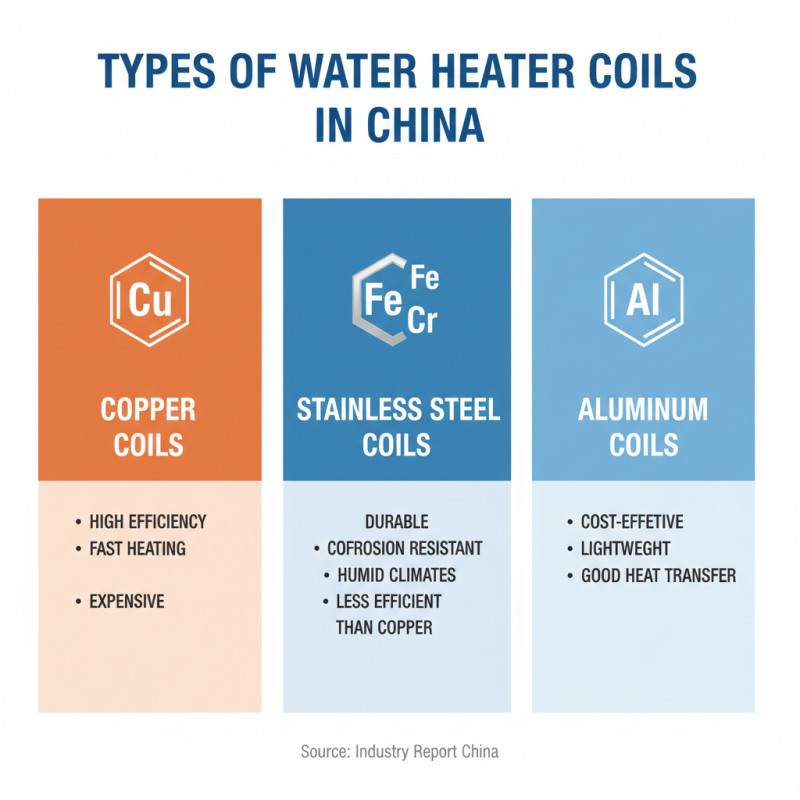
When considering water heater coils, various options are available in China. The most common types include copper, stainless steel, and aluminum coils. Copper coils are highly efficient due to their excellent thermal conductivity. They heat water quickly but can be quite expensive. Stainless steel offers durability and resistance to corrosion, which is crucial in humid climates. However, they might not be as efficient as copper.
Aluminum coils are lightweight and cost-effective. They can perform well for average household needs. Yet, they may not last as long as copper or stainless steel. It's essential to assess the heating demands of your home before making a choice. A thorough evaluation can help prevent future issues, such as inadequate heating or excessive energy costs.
While many options exist, some coils may underperform in specific conditions. Users often report dissatisfaction with efficiency in colder regions. Proper installation and maintenance will impact their performance. It's wise to consult professionals for advice tailored to your situation. Each material has strengths and weaknesses. Understanding these can lead to better home heating choices.
Factors Influencing the Efficiency of Water Heater Coils
Water heater coils are crucial for efficient home heating. Several factors can significantly impact their efficiency. The material of the coil plays a key role. Copper coils are known for their excellent thermal conductivity, while stainless steel offers durability. Choosing the right material can enhance overall energy efficiency.
The design of the coil also matters. A coil with a larger surface area can absorb more heat. This facilitates faster heating times, which is essential during colder months. However, intricate designs may be harder to clean and maintain. Homeowners must consider both performance and upkeep.
Water quality is another influencing factor. High mineral content can lead to scaling, affecting heat transfer. Regular maintenance and water softeners can mitigate these issues. Homeowners need to stay vigilant about water quality to ensure optimal performance of their heating systems. This reflects a broader understanding of how various elements converge to impact efficiency. Each choice made can lead to different outcomes, encouraging thoughtful decision-making.
Installation and Maintenance Tips for Water Heater Coils
When considering water heater coils, installation and maintenance play crucial roles in performance. Proper installation ensures optimal function. Begin by checking local building codes. Follow guidelines for safe and efficient installation. Mounting the coil correctly can prevent heat loss and enhance efficiency. Avoid tight bends in piping, which can reduce flow.
Routine maintenance is essential for longevity. Regularly inspect the coil for signs of wear or corrosion. Flushing the system every six months can help clear sediment buildup. This buildup can affect heating efficiency. Consider replacing the anode rod periodically to prevent rusting inside the tank.
Mistakes are easy to make during installation or maintenance. Over-tightening connections can cause leaks. Not using the right tools can lead to improper fittings. Keep a checklist for regular inspections to catch small issues early. This proactive approach prevents costly repairs down the line. By taking the time to ensure proper installation and ongoing maintenance, you’ll enjoy a more efficient heating experience.
China Best Water Heater Coil Options for Efficient Home Heating
| Coil Type |
Material |
Efficiency Rating |
Max Temperature (°C) |
Maintenance Frequency (Months) |
| Copper Coil |
Copper |
90% |
200 |
12 |
| Stainless Steel Coil |
Stainless Steel |
85% |
150 |
6 |
| Aluminum Coil |
Aluminum |
80% |
120 |
8 |
| Titanium Coil |
Titanium |
95% |
220 |
24 |
Comparative Analysis of Coil Materials for Home Heating
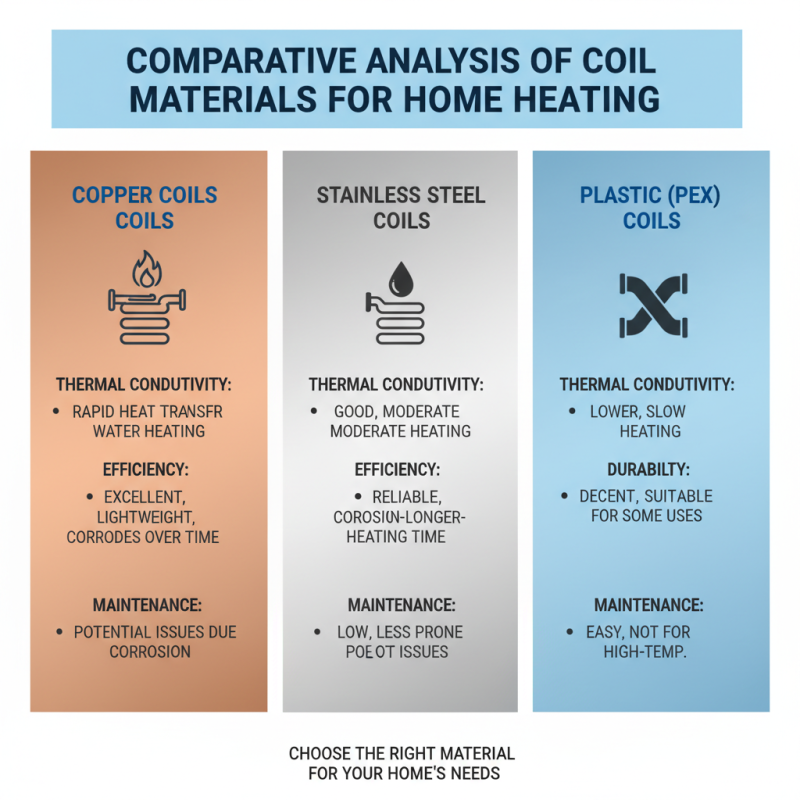
When it comes to home heating, selecting the right coil material for water heaters is crucial for efficiency. Different materials offer varying levels of thermal conductivity, durability, and resistance to corrosion. Copper coils, for instance, conduct heat rapidly and are lightweight. They provide excellent efficiency in heating water quickly. However, they can corrode over time, which may lead to maintenance issues.
Stainless steel coils are another popular option. They are more resistant to rust and corrosion compared to copper. This makes them a reliable long-term choice. However, stainless steel is heavier and not as conductive as copper. This can impact heating efficiency initially. It's essential to weigh the benefits against the challenges of each material.
Moreover, some new materials, like PEX, are becoming interesting alternatives. They are flexible and lightweight, making installation easier. However, they may not match the heat transfer efficiency of copper or stainless steel. Each option has nuances that require careful consideration. Understanding these details is key to making an informed decision that balances efficiency and durability.

 +852 60984748