How to Choose the Right Water Heater Coil for Your Needs?
Choosing the right Water Heater Coil can significantly impact your energy efficiency and comfort. With various options available, it’s essential to understand your specific needs. A suitable coil can enhance water heating times and reduce energy costs. Making the wrong choice can lead to inefficiency and frustration.
Different homes have unique requirements. Factors include size, water usage, and energy source. Electric coils may suit smaller homes, while larger families may benefit from gas coils. Additionally, the coil's material influences durability and performance. Copper and stainless steel are popular choices for their reliability.
Evaluating your current setup is crucial. Do you experience inconsistent hot water? Or maybe your water heater is old and inefficient? These elements can guide your decision. Understanding the specifications of the Water Heater Coil makes a difference. Take your time and reflect on your needs. Investing in the right coil can lead to long-term benefits for you and your family.
Understanding the Function of Water Heater Coils
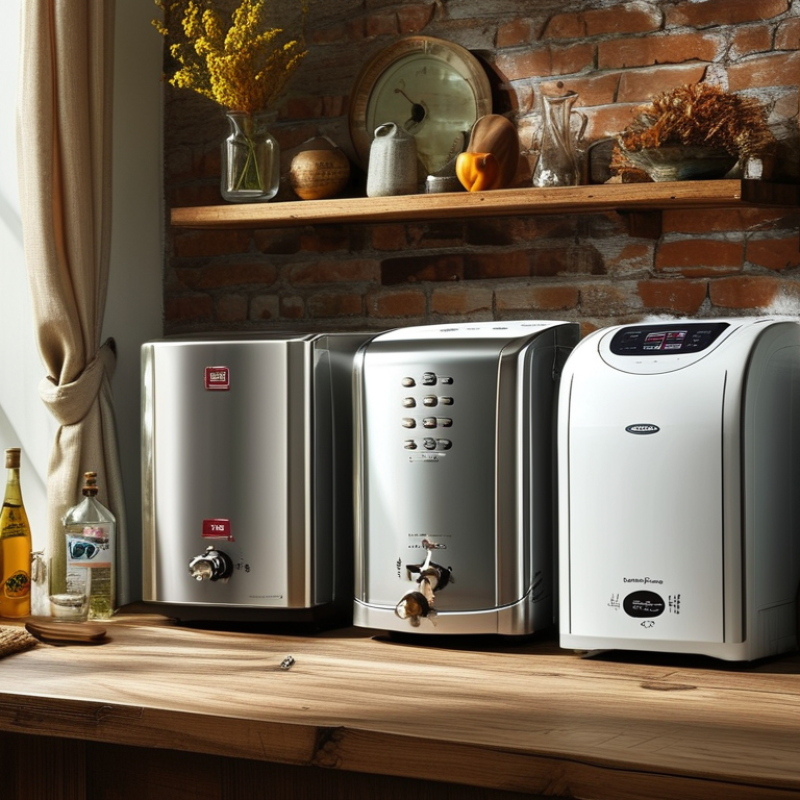
Water heater coils are crucial for heating water efficiently. They operate by transferring heat from a source to water in a tank. According to the U.S. Department of Energy, the efficiency of these coils impacts energy usage significantly. A well-functioning coil can increase efficiency by up to 25%, which reduces utility costs. Understanding how coils work helps you select the right one for your system.
Coils can be made from various materials, each with specific thermal properties. For example, copper coils heat water faster than steel coils but may not be as durable. The choice often depends on your heating needs and local conditions. If your home uses hard water, consider a coil designed to resist mineral buildup. A study by the Energy Efficiency Alliance highlights that maintenance can lead to a 15% improvement in coil performance. This underlines the importance of regular check-ups for maximizing efficiency.
Monitoring your water temperature settings also plays a vital role. In some cases, users find their water overheats, leading to energy waste. Setting the temperature too high can result in higher energy bills. Finding a balance is essential. This reflects the necessity for each user to evaluate their unique requirements. Every situation varies, and one size does not fit all when selecting a water heater coil. Understanding your specific needs will guide your choice effectively.
Types of Water Heater Coils and Their Applications
When selecting a water heater coil, understanding the various types can significantly help. There are two main categories: tankless and storage coils. Tankless coils heat water on demand, making them energy-efficient. However, they might not deliver enough hot water for larger households during peak usage. Storage coils, on the other hand, maintain a reservoir of hot water, which is convenient for families that require a steady supply.
Another consideration is the material of the coil. Copper coils provide excellent heat transfer but can be prone to corrosion. Stainless steel is durable and resists rust, making it more suitable for many environments. You might find the initial cost higher, but the longevity pays off. Reflecting on what you need today versus the future is crucial. A coil that fits perfectly now may not suit your needs later.
Always consult with a professional. Installation and configuration should match your home's unique requirements. Missteps can lead to inefficiency or even damage. Taking the time to analyze your situation thoroughly will guide you in making the right choice.
How to Choose the Right Water Heater Coil for Your Needs?
| Type of Coil |
Material |
Application |
Efficiency |
Lifespan (Years) |
| Copper Coil |
Copper |
Residential Water Heating |
High |
10-15 |
| Stainless Steel Coil |
Stainless Steel |
Industrial Water Heating |
Very High |
15-20 |
| PVC Coil |
PVC |
Aquarium Systems |
Moderate |
5-8 |
| Aluminum Coil |
Aluminum |
Hydronic Heating Systems |
Moderate to High |
8-12 |
Evaluating the Size and Capacity Requirements for Your Home
When selecting a water heater coil, size and capacity are crucial factors. Assess your household's hot water needs by analyzing usage patterns. Are your showers quick or lengthy? Do you have a large family? These details matter.
A general rule is to allow 10-15 gallons of hot water per person, daily. If your water heater coil is too small, it may lead to cold showers. On the flip side, a coil that’s too large can waste energy. Understanding your requirements is vital for efficiency.
Tips: Consider upgrading to a high-efficiency model. This could save you money over time. Also, consult a professional for accurate sizing and installation. A poorly sized unit can lead to unexpected costs and false expectations. Remember, understanding your household needs is key to making the right choice.
Assessing Energy Efficiency Ratings of Water Heater Coils
When choosing a water heater coil, energy efficiency is paramount. The efficiency rating indicates how well the coil converts energy into heat. Higher ratings mean less energy waste, saving you money on utility bills. Generally, look for coils with a minimum efficiency rating of 80%. This standard is acceptable for most households.
Understanding the terminology helps in your assessment. Coils often come with labels that detail their Energy Factor (EF) ratings. The EF is a measure of the water heater's overall efficiency. A higher EF means better energy performance. However, don't just focus on numbers alone; consider your specific usage needs. You may find that a lower-rated coil meets your requirements without overspending.
Installation type matters too. There are options for various setups, such as tankless or traditional. Each has its pros and cons. You might discover that a traditional system can provide hot water quickly, while a tankless solution saves energy. It’s important to weigh these details before purchasing. Some individuals overlook their long-term energy costs, leading to regret. Take the time for thorough research to avoid mistakes.
Factors to Consider for Installation and Maintenance of Coils
When considering the installation and maintenance of water heater coils, several factors come into play. The material of the coil is crucial. Stainless steel coils are often favored for their durability and resistance to corrosion. However, they may be more expensive than copper or aluminum options. Assess which material fits your budget and longevity requirements.
Tips: Regularly inspect the coils for any signs of wear or deposits. A small crack can lead to water leaks, which might cause significant damage. Keep the area around the water heater clean. This helps to ensure efficient operation.
Another key consideration is the coil's size. The right size prevents unnecessary energy consumption. Measure your water supply demands accurately. Remember, an oversized coil can lead to energy waste. Conversely, a too-small coil may not meet your hot water needs.
Tips: If you notice temperature fluctuations, there could be a buildup of mineral deposits. Flushing out your water heater can enhance efficiency. Consider professional help for complicated maintenance tasks. Taking these steps ensures a reliable hot water supply while minimizing potential issues.
Water Heater Coil Efficiency Comparison

 +852 60984748