Top Water Heater Coil Buying Guide for 2026 What You Need to Know
When choosing the right Water Heater Coil, expert Mark Thompson emphasizes, "Understanding your specific needs is crucial." In 2026, homeowners face an array of choices. Selecting a coil not only affects efficiency but also impacts energy bills. The market is filled with options, making it essential to consider various factors.
The Water Heater Coil industry is often complex for buyers. Various materials, sizes, and technologies are available. Many people overlook the significance of energy ratings and durability. This oversight can lead to higher costs and lower performance over time. Examining user reviews can provide valuable insights. However, it's vital to remember that not all opinions reflect universal truths.
As the demand for efficient home heating rises, consumers must be informed. Grasping the intricacies of Water Heater Coils can seem daunting. Yet, making the right choice can enhance comfort and reduce utility expenses. Awareness and knowledge will empower buyers to navigate this intricate landscape effectively. Make sure your selection matches your unique needs.
Understanding the Basics of Water Heater Coils
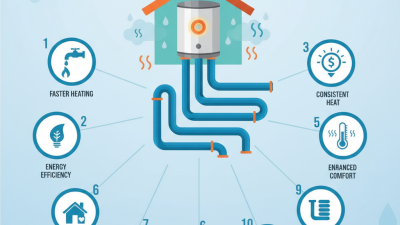
Understanding the basics of water heater coils is essential for making informed buying decisions. A water heater coil is crucial in the heating process, affecting energy efficiency and hot water delivery. According to a recent industry report, nearly 60% of homeowners reported that inefficient heating methods were their main concern. Understanding how coils function can directly influence your satisfaction and energy bills.
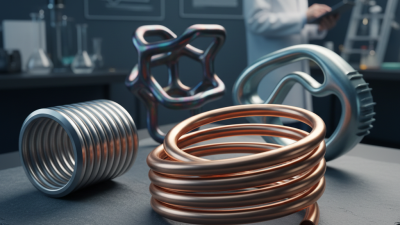
Water heater coils come in various materials, including copper and stainless steel. Each material has unique benefits. Copper coils heat water quickly but may corrode over time. In contrast, stainless steel coils are more durable. However, they may take longer to heat water. Consider the long-term costs of maintenance and replacement when choosing the right coil for your needs.
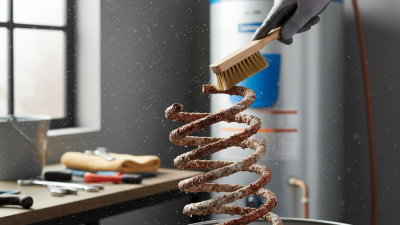
Tips: Regular maintenance of your water heater coil can improve efficiency and lifespan. Check for sediment buildup, as it can disrupt the heating process. If your water heater takes longer to heat or you experience inconsistent temperatures, it might be time to assess the coil's condition. Always consult a professional if you're unsure about the best coil for your system.
Types of Water Heater Coils and Their Applications
When choosing a water heater coil, understanding the different types and their applications is crucial. Generally, there are three main types of water heater coils: stainless steel, copper, and cast iron. Each material offers unique benefits. For instance, stainless steel coils resist corrosion. This makes them ideal for areas with hard water. On the other hand, copper coils are excellent for their heat conductivity, ensuring quicker water heating.
Data shows that stainless steel coils account for about 40% of the market. Their lifespan often exceeds 15 years, which adds value over time. In contrast, copper coils are popular for residential heating, particularly in regions with a lower scale buildup. However, they have a shorter lifespan in harsh water conditions.
Tips: Regular maintenance extends coil life. Inspect the coils for scale buildup at least twice a year. Also, consider water quality testing. This step can prevent costly replacements.
Understanding your specific needs is key. Residential systems may benefit from copper for fast heating, while industrial setups usually prefer stainless steel for durability. Reflect on your water type and heating demands. Only then can you make an informed decision tailored to your requirements.
Key Factors to Consider When Purchasing Water Heater Coils
Choosing the right water heater coil is crucial for maximizing efficiency and minimizing energy costs. According to the U.S. Department of Energy, water heating accounts for about 18% of an average home’s energy use. Thus, selecting a high-quality coil can lead to noticeable long-term savings. Consider factors like material type, coil size, and heat transfer efficiency when making your decision.
Material selection plays a vital role in coil performance. Copper coils offer excellent thermal conductivity, making them a popular choice. However, they can corrode over time, leading to potential failures. Stainless steel, while generally more durable, may not transfer heat as effectively. Also, check the insulation quality around the coil. Poor insulation can lead to significant energy losses, and some manufacturers estimate that up to 30% of heater efficiency is lost due to inadequate insulation.
It's also essential to assess coil compatibility with your existing system. A mismatch can lead to inefficiencies and reduced lifespan. Research shows that incorrect sizing can reduce efficiency by up to 50%. Take the time to analyze your specific needs. Look for technical specifications that align with your heater's performance requirements. Your investment in the right water heater coil is an investment in long-term efficiency.
Top Brands and Models of Water Heater Coils for 2026
When selecting a water heater coil, it's essential to consider several key aspects. Popular models often focus on efficiency and longevity. These factors can significantly affect your home's energy consumption. Many coils feature materials that enhance heat transfer, reducing energy waste.
Look for options that offer durability, as this ensures a longer lifespan. Expert reviews suggest a variety of brands with standout performance characteristics. While some brands are known for their cutting-edge technology, others prioritize affordability. It's important to analyze features that suit your specific needs. For example, consider the size and capacity of the coil, which directly impacts your heating requirements.
While many products boast impressive specifications, user feedback often reveals flaws. Some coils may require frequent maintenance, while others struggle with consistent heating performance. Reading through customer experiences can provide invaluable insights. Seek out recommendations based on real-world applications. Balancing efficiency, cost, and performance is crucial in making an informed decision.
Maintenance Tips for Prolonging the Life of Your Water Heater Coil
Maintaining your water heater coil is essential for its longevity. Regular inspections can catch small issues before they become significant problems. Check for corrosion and buildup. These can significantly reduce efficiency. Cleaning the coil is often overlooked but crucial. Use a damp cloth to wipe off dust and debris. A clean coil operates more efficiently.
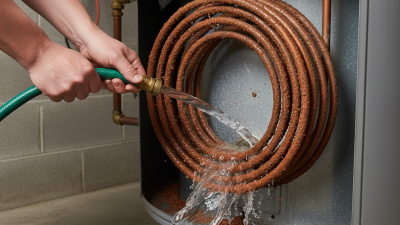
Water hardness can affect your coil's lifespan. Hard water leads to mineral buildup. This can cause overheating and leaks if not addressed. Consider installing a water softener to prolong the life of the coil. Regularly flushing the heater can also help prevent sediment buildup. It’s a simple step that offers substantial benefits.
Lastly, if you're uncomfortable performing maintenance, seek professional help. While DIY can save money, an expert’s touch can prevent costly errors. Remember, safety comes first. Take time to research common problems and solutions. This will empower you to make informed decisions regarding your water heater.

 +852 60984748