Top 10 Benefits of Using a Water Heater Coil for Efficient Heating?
In the quest for effective heating solutions, the "Water Heater Coil" stands out due to its efficiency. According to a recent report from the American Society of Heating, Refrigerating and Air-Conditioning Engineers (ASHRAE), water heater coils improve energy use by 25% compared to traditional systems. This is significant in a time when energy costs are on the rise and eco-friendly practices are vital.
Industry expert Dr. Emily Ford stated, “The Water Heater Coil redefines how we approach heating, maximizing energy savings while ensuring comfort.” This highlights a growing trend toward energy-efficient solutions in household heating. With advancements in technology, these coils offer benefits like faster heating times and lower operational costs, making them an attractive option for homeowners and businesses alike.
However, it is important to understand the installation and maintenance of water heater coils can be complex. Some users may feel overwhelmed by these technical requirements or the initial investment needed. As the industry evolves, it will be essential to address these challenges to fully capitalize on the advantages of water heater coils.
Understanding Water Heater Coils and Their Functionality
Water heater coils are crucial for efficient heating. They work by transferring heat from a power source to water, ensuring a ready supply of hot water. A study from the U.S. Department of Energy indicates that properly insulated coils can improve energy efficiency by 20-30%. This efficiency translates to lower operational costs and reduced energy consumption.
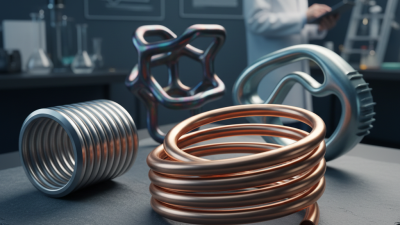
The functionality of a water heater coil lies in its design. Coils can be made from various materials, each offering distinct thermal conductivity. Copper and stainless steel are commonly used for their effectiveness. However, choices in material also indicate potential maintenance challenges. For instance, copper may corrode over time if not properly maintained.
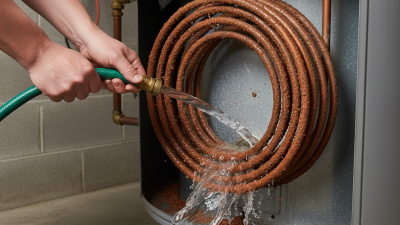
Understanding the placement and configuration of these coils is equally important. An improperly installed coil can lead to hotspots in the tank. This results in uneven heating and wasted energy. In fact, frequent adjustments might be necessary to optimize performance. Regular inspections ensure that the coils operate efficiently, maintaining a reliable hot water supply.
Top 10 Benefits of Using a Water Heater Coil for Efficient Heating
Improved Energy Efficiency through Water Heater Coils
Using a water heater coil can significantly improve energy efficiency. Data from the U.S. Department of Energy shows that water heating accounts for about 18% of the average home's energy use. By employing water heater coils, homeowners can optimize heating efficiency. Coils use direct contact with water, enhancing heat transfer. This method can lead to a noticeable reduction in energy consumption.
It's essential to ensure your system is properly maintained. Regular inspections can prevent efficiency losses. A study by the American Society of Heating, Refrigerating and Air-Conditioning Engineers found that well-maintained systems can outperform neglected ones by up to 30%.
Tip: Insulate your water heater coils to minimize heat loss. This small step can yield substantial savings. Additionally, consider setting your water heater to 120°F. This is an optimal temperature that balances comfort and energy efficiency.
Not all water heater setups are equal. Sometimes, users may overlook the importance of the installation process. A poorly installed coil can lead to inefficiencies. Regularly monitoring and adjusting your system is crucial for consistent performance.
Top 10 Benefits of Using a Water Heater Coil for Efficient Heating
| Benefit |
Description |
Energy Savings (%) |
Maintenance Frequency |
| Improved Energy Efficiency |
Water heater coils provide higher thermal efficiency compared to traditional heating methods. |
20-30% |
Annually |
| Faster Heating Time |
Coils heat water more rapidly, reducing wait times for hot water. |
N/A |
Every 6 months |
| Space Efficiency |
Coils can be compactly integrated into various systems, saving space. |
N/A |
Annually |
| Lower Operating Costs |
Efficient heating leads to reduced energy bills. |
15-25% |
Annually |
| Environmentally Friendly |
Using less energy helps reduce carbon footprint. |
N/A |
N/A |
| Versatile Application |
Can be used in various heating systems, including residential and industrial. |
N/A |
N/A |
| Safety Features |
Modern coils often come with built-in safety measures to prevent overheating. |
N/A |
Annually |
| Instant Hot Water |
Provides nearly immediate access to hot water for various needs. |
N/A |
N/A |
| Increased Lifespan |
Properly maintained coils can have a longer operational life. |
N/A |
Bi-annually |
| Enhanced Comfort |
Improved heating efficiency contributes to consistent comfort levels. |
N/A |
Annually |
Cost Savings Potential with Water Heater Coil Installation
Installing a water heater coil can lead to significant cost savings. These coils efficiently heat water using less energy. This efficiency can translate into lower utility bills over time. Homeowners can expect to see a decrease in their monthly heating costs. An initial investment in a coil system pays off as energy bills drop.
Another benefit is the longevity of the water heater. Coils are generally more durable than standard heating elements. They require less maintenance, which can save additional costs. However, some users may find installation complicated. Not every setup works the same way. It's important to consult professionals to ensure compatibility with existing systems.
It's also worth noting that not all homes will see the same level of savings. Climate, usage patterns, and local energy rates vary. Analyzing individual needs can help maximize the benefits. All these factors add a layer of complexity to the decision-making process. Taking the time to weigh the pros and cons may lead to a more informed choice.
Enhanced Heating Speed and Consistency with Coils
Water heater coils provide enhanced heating speed and consistency, making them a popular choice for efficient heating systems. These coils generate heat quickly, allowing water to reach desired temperatures in less time. This rapid response reduces waiting periods for hot water, improving user convenience. Families benefit from this as morning routines become seamless with instant access to hot water.
Moreover, the design of water heater coils promotes consistent heating. Unlike traditional heating methods, coils distribute heat more evenly throughout the water. This results in fewer fluctuations in temperature. Users enjoy a stable supply of hot water, minimizing the discomfort of sudden cold water bursts.
There are, however, points to consider. The efficiency of coils can depend on the water quality and maintenance schedule. Mineral buildup can affect performance and lead to uneven heating over time. Regular inspection and maintenance are crucial to ensure optimal function. Balancing efficiency with upkeep is necessary for sustained benefits.
Environmental Benefits of Adopting Water Heater Coils
Water heater coils offer significant environmental benefits that are worth considering. They are designed to heat water more efficiently than traditional heating methods. This efficiency reduces energy consumption, leading to lower greenhouse gas emissions. As energy demands decrease, the dependence on fossil fuels can also diminish. This shift contributes to a healthier planet.
Using water heater coils can enhance sustainability efforts at home. These coils often operate at higher efficiency rates, making them a smart choice. Homeowners often find they reduce their overall energy footprint. However, not everyone understands how to optimize these systems fully.
Another factor to consider is the potential for water quality improvements. Efficient heating can prevent issues related to stagnation, which can lead to harmful bacteria growth. Yet, many users might overlook the importance of regular maintenance. This oversight can lead to inefficiencies and larger environmental impacts over time. Balancing efficiency and maintenance is crucial for attaining the best results.

 +852 60984748