Top 10 Heating Element Wire Types in China and Their Applications?
The heating element wire industry in China is crucial for numerous applications. According to Dr. Lin Zhao, a leading expert in materials science, “Understanding the right heating element wire can significantly improve efficiency in industrial processes.” This emphasizes the importance of selecting the appropriate wire type.
China offers various heating element wire types, each tailored for specific uses. Options range from nickel-chromium to iron-chromium. These wires are fundamental in sectors like automotive, aerospace, and consumer electronics. Each application demands unique specifications, which can be challenging to navigate. Selecting the wrong wire may compromise performance and safety.
In an ever-evolving market, reliability is paramount. Expertise in choosing the right heating element wire impacts not only productivity but also product longevity. This exploration of the top 10 heating element wire types will shed light on their characteristics and applications, helping industries make informed decisions. However, the intricacies involved can be daunting, warranting careful analysis and sometimes expert guidance.
Overview of Heating Element Wire Types in China
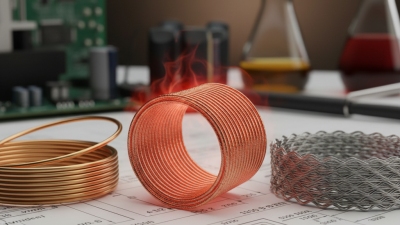
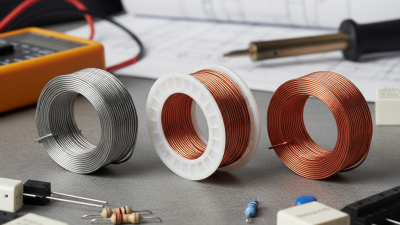
In China, various heating element wire types are widely used across different industries. The most common include Kanthal, nichrome, and copper. Each wire type serves specific applications, showcasing unique properties. Kanthal is known for its high resistance and durability. It's often used in industrial furnaces. Nichrome, featuring a blend of nickel and chromium, is favored for its excellent oxidation resistance. This makes it suitable for kitchen appliances and heating coils.
Copper wire, while less resistant, is popular for low-temperature applications. It's used in heating pads and automotive components. Each of these materials offers benefits and drawbacks. Kanthal provides longevity but can be expensive. Nichrome generates heat quickly but may deteriorate over time. Copper is cost-effective but requires careful handling to avoid overheating.
Choosing the right heating element wire involves understanding the specific demands of the application. Factors like temperature range, environment, and cost must be considered. The right choice can enhance performance and efficiency. However, it is important to remain vigilant about the quality of materials. Some cheap alternatives may not withstand long-term use. These considerations are vital for success in various heating applications.
Common Materials Used for Heating Element Wires
In the realm of heating element wires, materials play a critical role in
performance and durability. Commonly used materials include
nickel-chromium alloys and stainless steel. Nickel-chromium alloys, like
NiCr, are favored for their high melting point and excellent oxidation resistance. According to
industry reports, these alloys exhibit a conductivity range of 1.5 to 2.0 ohm-cm, making them suitable
for a variety of heating applications. They can withstand elevated temperatures, often exceeding
1000°C, which is vital for many industrial processes.
Stainless steel is another prevalent choice for heating elements. Its
resistance to corrosion and compelling mechanical properties make it effective in many environments.
Additionally, the thermal stability of stainless steel allows it to operate effectively in humid conditions.
Data shows that heating wires made from stainless steel can endure cyclic thermal loading, though they may degrade over time
due to oxidation in extreme conditions. This presents an ongoing challenge for manufacturers.
Wires made from copper are also utilized, especially in
low-temperature applications. Copper's excellent conductivity makes it attractive, but it suffers from thermal fatigue.
This limitation must be carefully monitored during design phases. The choice of material for heating elements significantly
affects efficiency, lifespan, and
safety. Each material has its benefits and drawbacks, making informed
selection essential for optimal performance.
Applications of Each Heating Element Wire Type
Heating element wires are crucial in various applications across industries in China. Different types offer unique features tailored for specific uses. For instance, Kanthal wire, known for its high temperatures, is popular in manufacturing heating elements for ovens and kilns. Its durability makes it a leading choice where high heat and longevity are essential.
Nichrome wire also has a wide range of applications. This wire is favored in toasters and electric heaters due to its excellent resistance to oxidation. Its performance under different conditions makes it reliable for home appliances. However, its availability can be inconsistent, which is a consideration for manufacturers.
Tips: When selecting heating element wire, consider the operating temperature and environment. Ensure it matches your application’s needs. Evaluate the wire's resistance and thermal stability with care.
Other types include copper and aluminum wires, widely used in low-temperature applications. While cheaper, they may not perform as well in high-heat settings. Remember, what works for one setting may not for another. It's essential to understand the specific requirements. A thorough selection process can prevent future issues.
Top 10 Heating Element Wire Types in China and Their Applications
| Wire Type |
Material |
Temperature Range (°C) |
Applications |
| Kanthal |
FeCrAl Alloy |
1000 |
Industrial furnaces, heat treatment |
| Nichrome |
NiCr Alloy |
1200 |
Electric heaters, toasters |
| Copper |
Copper |
200 |
Low power heating systems |
| Stainless Steel |
Stainless Steel Alloy |
600 |
Food warming, cooking equipment |
| Silicone Coated Wire |
Nichrome with Silicone Coating |
200 |
Flexible heating pads, blankets |
| Manganin |
Copper-Manganese Alloy |
100 |
Precision heating elements |
| Iron |
Iron |
300 |
Heating rods for industrial use |
| Titanium |
Titanium Alloy |
500 |
Corrosion-resistant applications |
| Resistance Wire |
Nickel-Copper Alloy |
400 |
Heating elements for ovens |
| Hastelloy |
Nickel-Cobalt-Molybdenum Alloy |
900 |
High-temperature applications |
Factors Influencing the Choice of Heating Element Wire
When selecting heating element wire, several factors play a critical role. First, material composition significantly affects performance. Common materials include nickel-chromium, iron, and copper. Each has unique properties, influencing efficiency and durability. For example, nickel-chromium alloys are known for corrosion resistance, making them a popular choice in harsh environments.
The wire gauge is another important consideration. Thicker wires can handle higher currents, resulting in better heat output. Conversely, thinner wires may be suited for lower power applications. Understanding the requirements of the specific application is essential. A mismatch could lead to inefficient heating or even failure of the wire.
Environmental factors also impact the choice of heating element wire. High humidity or exposure to chemicals may require special coatings or wire types. The operating temperature range is equally crucial; materials must withstand intended heat levels without degrading. Companies must analyze these variables carefully to ensure reliable performance.
Top 10 Heating Element Wire Types in China and Their Applications
Future Trends in Heating Element Wire Technology
Heating element wire technology is evolving rapidly. In recent years, advancements have focused on increasing efficiency and sustainability. Manufacturers are now exploring new materials and designs. This shift aims to meet rising energy demands while reducing environmental impact. Innovations in wire types, such as thicker coatings and better thermal conductivity, are becoming more common.
Another trend is the integration of smart technology into heating elements. Smart heating wires can adjust temperature based on real-time feedback. This capability enhances performance and user comfort. However, implementing such systems poses challenges in cost and complexity. Many industries are still hesitant to adopt these advanced solutions fully.
Furthermore, nanotechnology is making waves in heating element design. Wire coatings with nanomaterials promise improved durability and efficiency. However, the long-term effects of these materials are not fully understood. Research is ongoing. In conclusion, the future of heating element wire technology looks promising but requires careful consideration of new materials and methods.

 +852 60984748