What is the Best Heating Element Wire for Your Needs?
Selecting the right heating element wire can significantly impact efficiency and performance in various applications. According to industry reports, the global market for heating elements is projected to reach $11 billion by 2026, driven by demand in sectors like manufacturing, healthcare, and consumer electronics. Heating element wire, a critical component in these systems, must be chosen carefully to meet specific requirements.
Different types of heating element wire are available, including nickel-chromium (NiCr), copper, and stainless steel. Each type presents unique advantages and limitations. For instance, NiCr wire offers high-temperature resistance and durability, making it ideal for industrial applications. However, it may not be suitable for all environments due to cost and compatibility issues. Additionally, it's essential to reflect on the ongoing material innovations, as manufacturers continually improve wire technology to enhance efficiency and longevity.
Understanding your specific needs, such as temperature range and application, is crucial. Relying on the right metrics will help navigate the complexities of heating element wire selection. Inadequate choices may lead to performance failures, highlighting the importance of informed decision-making.
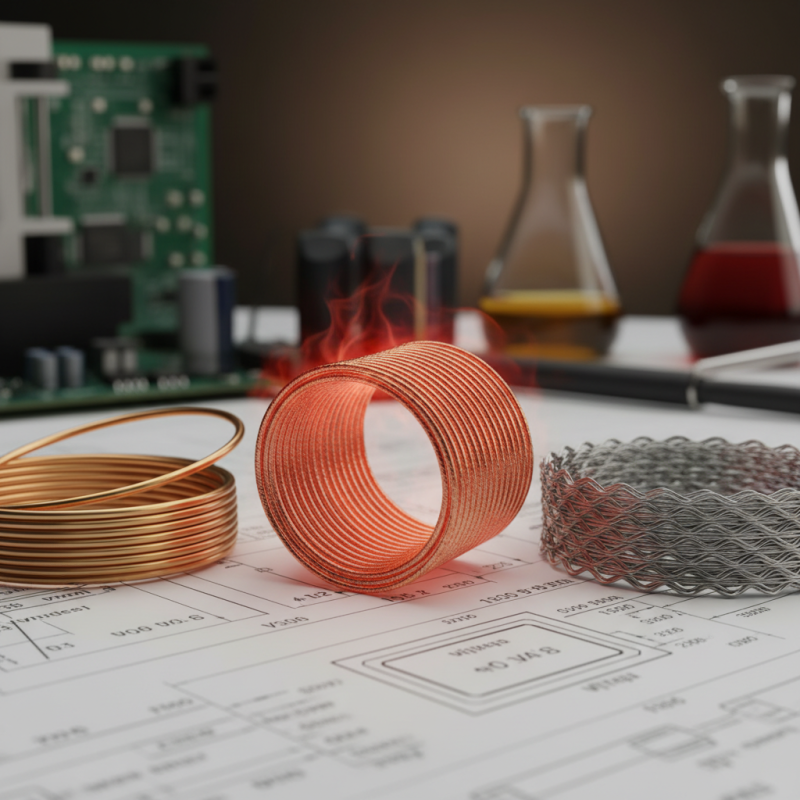
What are Heating Element Wires and Their Common Applications?
Heating element wires are essential components in various industrial and domestic applications. They convert electrical energy into heat, making them ideal for processes like cooking and manufacturing. Common materials used for these wires include nichrome, kanthal, and copper. Each has unique properties suited for different jobs. For instance, nichrome offers high resistance and can withstand high temperatures, making it suitable for toasters and hair dryers. According to recent industry reports, nichrome accounts for approximately 40% of the global heating element market due to its efficiency and durability.
Understanding your specific heating needs is crucial. Tips for selecting the right wire include considering the maximum temperature required and the wire's resistance. For instance, if you need a wire for industrial ovens, use nichrome for its stability and heat retention. Moreover, ensure that the wire can handle the wattage of the intended application. Not considering these factors could lead to inefficient heating and potential safety hazards.
When it comes to materials, another excellent option is kanthal, which is known for its ability to withstand oxidation. However, it might be more brittle than nichrome, which could result in breakage under strain. Reflect on the environments in which you will use these wires. Do they need to withstand vibration or pressure? This assessment can lead to better choices in heating element wires for your projects.
What is the Best Heating Element Wire for Your Needs?
| Wire Material |
Temperature Rating (°C) |
Resistance (Ohm/km) |
Common Applications |
| Nickel-Chromium (NiChrome) |
1200 |
100 |
Industrial heaters, toasters, hairdryers |
| Copper |
200 |
60 |
Water heaters, electric stoves |
| Silicon-Carbide |
1600 |
10 |
High-temperature furnaces, laboratory equipment |
| Iron |
800 |
90 |
Electric grills, heating pads |
| Kantal (FeCrAlloy) |
1200 |
80 |
Ovens, furnaces, dryers |
Types of Heating Element Wires: Nichrome, Kanthal, and Copper Explained
When choosing a heating element wire, understanding the types available is crucial. Nichrome, a nickel-chromium alloy, is widely used in high-temperature applications. It has a high melting point and excellent corrosion resistance. Data indicates that nichrome can maintain structural integrity at temperatures up to 1,200°F (649°C). This makes it ideal for applications like toasters and industrial heaters.
Kanthal is another popular option, made of iron, chromium, and aluminum. Its ability to withstand higher temperatures, up to 2,500°F (1,370°C), is well-documented. This makes Kanthal suitable for applications in ceramics and glass melting. While it performs exceptionally well, users often report challenges with its brittleness, which can lead to fractures during installation or handling.
Copper wire, known for its excellent conductivity, is less commonly used as a heating element due to its lower melting point. It typically reaches around 1,985°F (1,085°C) but is effective in low-temperature applications. However, it’s crucial to monitor its performance carefully. Users may find that copper can oxidize quickly, leading to inefficient heating and potential failure in long-term applications. Each type of wire has its strengths and weaknesses, requiring careful consideration based on specific needs.
Heating Element Wire Comparison
This chart compares the resistance of three common types of heating element wires: Nichrome, Kanthal, and Copper. Nichrome offers higher resistance, making it suitable for applications requiring more heat. Kanthal provides a good balance between resistance and durability, while Copper has the lowest resistance but is less ideal for high-temperature applications.
Key Factors in Choosing Heating Element Wire: Resistance, Temperature, and Coating
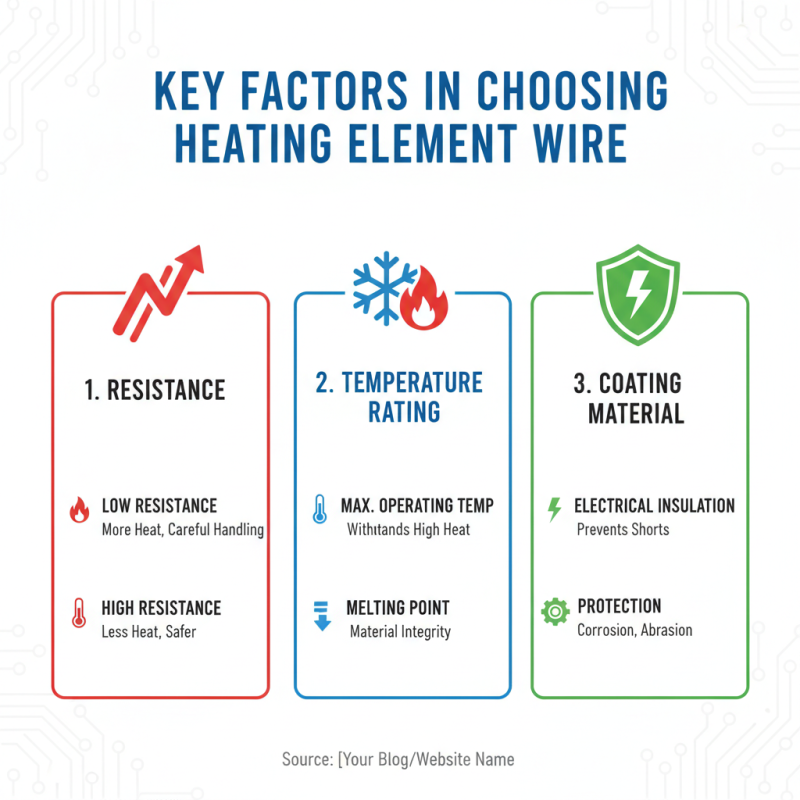
When selecting a heating element wire, three key factors should guide your choice: resistance, temperature rating, and coating material. Resistance determines how much electric current is needed for heating. Low-resistance wires generate more heat but require careful handling to avoid overheating. Conversely, higher resistance wires are safer but may heat up less.
Understanding the temperature rating is crucial. Each wire type can handle specific temperatures. For instance, nichrome wire typically withstands temperatures up to 1,200°F. In contrast, stainless steel wires offer durability but lower heat resistance. Make sure to match the wire's rating to your heating application's demands.
Tips: Always check manufacturer specifications and data sheets before making a selection. Inspect coatings as well; they protect the wire and impact safety. Silicone or fiberglass coatings can enhance resistance to heat and corrosion. This aspect is especially important in environments where moisture and chemicals are present. Testing your setup can reveal unexpected behaviors; adjustments might be needed based on your setup’s unique conditions.
Industry Standards and Safety Regulations for Heating Element Wires
When selecting heating element wires, understanding industry standards and safety regulations is crucial. These guidelines ensure the wires can withstand high temperatures and resist corrosion. For example, wires must meet specific insulation ratings. Proper insulation prevents electric shocks and reduces fire hazards.
The material choice is also significant. Commonly used materials include nickel-chromium and copper-nickel alloys. Each has its own advantages and potential drawbacks. Depending on your application, you may need to evaluate which material best meets safety regulations.
It is essential to recognize that not all heating elements are created equal. Inadequate testing might lead to failures. Users need to stay informed about updates in regulations. Keeping up with changes helps in selecting the right components. Moreover, the potential impact of using substandard materials can result in inefficiencies. Testing and certification play a vital role in ensuring your wire meets safety standards.
Performance Comparison: Longevity and Efficiency of Different Heating Wires
When selecting heating element wire, it’s essential to consider both longevity and efficiency. Different materials exhibit varied performance characteristics. For instance, nickel-chromium alloys are commonly used for high-temperature applications. They can withstand intense heat without significant wear. On the other hand, copper wires offer excellent conductivity but may not perform well under extreme conditions.
Efficiency is another critical aspect. Higher resistance heating wires tend to convert more electrical energy into heat. This can lead to quicker heating times. However, they can also wear out faster than lower-resistance alternatives. Wire gauge is a crucial factor here; thinner wires may heat up faster but can burn out quickly.
Choosing the right wire involves trade-offs. Some users might prioritize speed over durability. Others might need a wire that lasts longer but heats more slowly. Evaluating the specific application and expected usage helps in making an informed decision. Balancing these factors requires careful thought.

 +852 60984748