Leave Your Message

China Top Stove Heating Element Manufacturers?

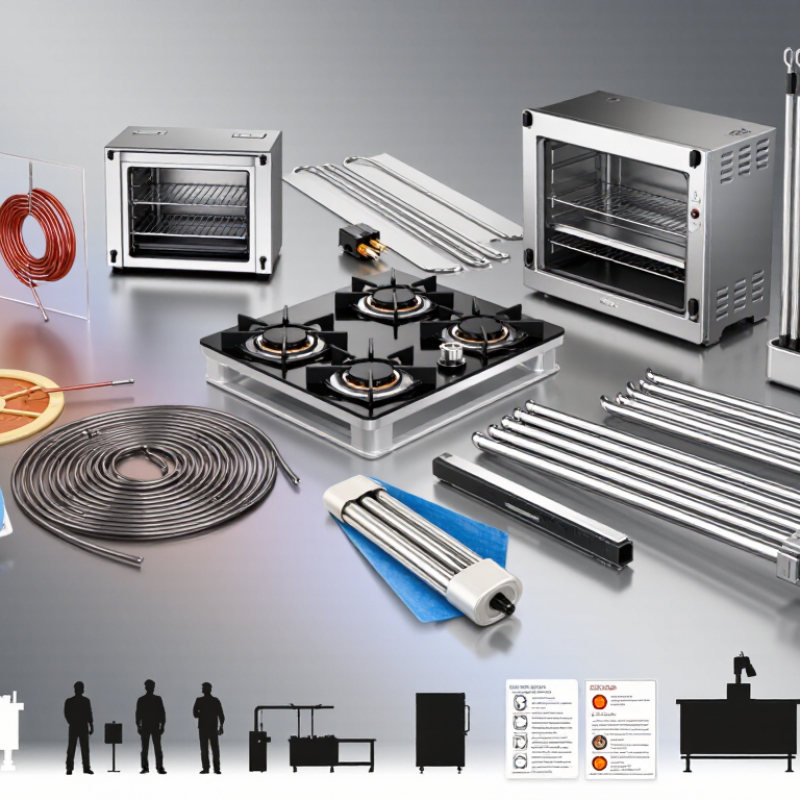
China has become a significant manufacturing base for electric heating components, including the Stove Heating Element. Its supplier network covers ceramic, stainless-steel, nickel-chromium, and infrared heating technologies. These options serve cookers, ovens, hot plates, and commercial kitchen equipment.

The International Energy Agency’s Energy Efficiency 2023 report identifies appliance efficiency as an important path for reducing electricity demand. This makes element design more than a purchasing detail. Resistance wire composition, insulation quality, temperature control, and service life directly affect energy use and cooking consistency. IEC 60335-1 also provides a widely recognized safety framework for household electrical appliances. Responsible manufacturers should explain how their products meet relevant testing requirements.

China’s National Bureau of Statistics and UN Comtrade data both show the country’s strong position in appliance production and international trade. However, export volume does not prove technical leadership. A factory may offer low prices but lack stable resistance tolerances, traceable materials, or reliable batch testing. That distinction matters.

Real evaluation starts with evidence. Buyers should compare factory audits, ISO 9001 certification, laboratory reports, heating curves, voltage ratings, and failure records. Ask for samples.

No supplier list is perfect.

This guide examines leading Chinese Stove Heating Element manufacturers through product range, engineering capability, quality control, customization, export experience, and after-sales support. Some rankings remain subjective because companies disclose different levels of information. That limitation deserves attention, especially when a heating element operates near glass, wiring, insulation, and high temperatures. The best choice is not always the largest supplier. It is the manufacturer that can repeatedly deliver safe, compatible, and measurable performance.

China Top Stove Heating Element Manufacturers?

What Are Stove Heating Elements and How Do They Work?

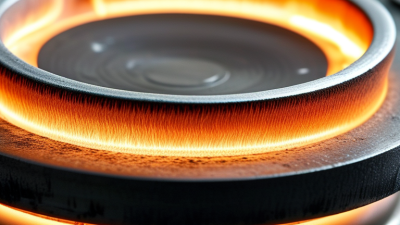
A stove heating element converts electrical energy into heat through resistance. Most elements use a nickel-chromium alloy wire. The wire resists current and becomes hot, often glowing orange during cooking. A metal sheath or ceramic support holds the wire safely in position. It also spreads heat across the pan or oven cavity.

There are several common designs. Coil elements sit above the cooktop and transfer heat directly to cookware. Radiant elements hide beneath a glass surface. Oven elements usually contain a resistive wire inside a steel tube, helping distribute heat more evenly. A thermostat or electronic sensor controls power by switching the element on and off. Temperature changes are not perfectly smooth.

Quality depends on more than heating speed. Reliable manufacturers control wire diameter, insulation thickness, terminal strength, and resistance values during production. In practical use, uneven red spots can indicate aging, poor contact, or internal damage. I once underestimated a loose terminal; the element heated slowly and wasted energy. That mistake changed how I inspect connections.

Before replacing an element, technicians usually disconnect power and check the part with a multimeter. A broken circuit suggests an open heating wire. Darkened terminals, cracked insulation, or unusual odors also deserve attention. Ceramic surfaces can look intact while hidden components fail. Accurate dimensions and matching electrical ratings matter. Small errors can cause weak heating or unsafe operation.

Why China Is a Major Stove Heating Element Manufacturing Hub

China Top Stove Heating Element Manufacturers?

Why China Is a Major Stove Heating Element Manufacturing Hub

China has become a major stove heating element manufacturing hub through dense industrial coordination. Wire suppliers, ceramic processors, stamping workshops, and testing laboratories often operate within the same region. This shortens production schedules and reduces transport between critical stages. In supplier audits, engineers commonly inspect resistance wire diameter, insulation thickness, terminal strength, and surface consistency. Small differences matter. A loose terminal can create uneven heating or early failure.

Manufacturers also benefit from mature process equipment and skilled production teams. Automated winding machines produce consistent coils, while controlled sintering improves ceramic support strength. Many factories test elements through resistance checks, insulation tests, and repeated heating cycles. These methods help verify performance before shipment. Technical teams can also adjust voltage, wattage, dimensions, and mounting structures for different stove designs. Practical experience is valuable here, especially when a prototype behaves differently from its drawing.

The system is not flawless. A low quotation may hide weaker materials, limited testing, or unstable process control. Buyers should review inspection records, sample results, traceability, and corrective action procedures. Factory visits can reveal details that documents miss, such as dusty assembly areas or poorly protected terminals. Reliable manufacturing depends on more than capacity. It requires measurable standards, honest communication, and repeated verification. Mistakes still happen, but transparent suppliers investigate them instead of quietly repeating them.

How to Identify Top Chinese Stove Heating Element Manufacturers

China Top Stove Heating Element Manufacturers?

Identifying top Chinese stove heating element manufacturers requires more than comparing prices. Start with verified production experience. Ask how long the factory has made heating elements, not just kitchen appliances. Request photos of winding, insulation, welding, and final inspection areas. A serious manufacturer should explain resistance tolerance, operating temperature, material grades, and expected service life clearly. Vague answers deserve caution.

Review technical documents before ordering samples. Look for material certificates, electrical safety test reports, process records, and batch traceability. Test samples under repeated heating and cooling cycles. Check heat distribution, terminal strength, insulation resistance, and surface oxidation. I would also compare samples from different batches. One excellent sample proves very little. Factory audits can reveal storage problems, weak quality controls, or outsourced production. However, no checklist is perfect. I have sometimes trusted polished documents too quickly.

Tips: Ask for a small pilot order and define acceptance standards in writing. Confirm voltage, wattage, dimensions, connector style, packaging, and allowable defects. Visit the facility if possible, or use an independent inspection service. Reliable communication matters too. Notice whether engineers answer precise questions with measurements. A low quote may hide unstable materials, rushed testing, or inconsistent production. Keep a record of every revision, because small design changes can affect heating performance.

How to Identify Top Chinese Stove Heating Element Manufacturers

A practical supplier assessment should focus on verifiable technical capability, production consistency, compliance, and after-sales reliability rather than company size alone.

The percentages represent a suggested procurement evaluation framework. Buyers should verify each item through certificates, test reports, samples, factory audits, and production records.

Which Product and Quality Factors Should Buyers Compare?

When comparing China’s stove heating element manufacturers, buyers should examine performance before unit price. The U.S. Energy Information Administration’s 2020 Residential Energy Consumption Survey reported that electricity powered cooking in about 68% of American homes. That figure highlights the importance of stable output, safe insulation, and repeatable production.

Ask for the element’s resistance tolerance, rated wattage, and watt density. A high watt density may heat quickly, but it can create local hot spots. Check temperature uniformity across the coil or radiant surface. Request thermal-cycle test results, not only a laboratory inspection report. IEC 60335-2-6 provides safety requirements for household electric cooking appliances, including abnormal operation and temperature controls. Suppliers should explain how their products support these requirements.

Material selection also deserves close comparison. Nickel-chromium resistance wire, ceramic insulation, terminal construction, and surface coatings affect service life. Verify insulation resistance after repeated heating and cooling cycles. Ask whether each batch has traceable records for wire diameter, resistance, and sealing quality. The U.S. Department of Energy’s appliance efficiency research repeatedly links cooking performance with heat delivery and control accuracy, not simply rated power.

Small details matter. Loose terminals can cause arcing, while uneven winding can damage cookware. A cheaper element may become expensive after field failures. Still, test reports are not perfect. Buyers should repeat sample testing under real voltage, cookware, and ventilation conditions. Factory visits, corrective-action records, and independent inspections reveal more than polished brochures.

China Top Stove Heating Element Manufacturers? - Which Product and Quality Factors Should Buyers Compare?
Comparison Factor Product Dimension Common Buyer Benchmark or Specification Range Quality Risks to Check Recommended Evidence
Heating Element Type Choice of tubular, sheathed, radiant, ceramic, or cast-in heating elements. Tubular Radiant Ceramic
Select according to the stove structure, heat-transfer method, available space, and service temperature.
Incorrect element geometry, slow heat response, poor heat distribution, or incompatibility with the mounting system. Approved drawings, samples, application test, and dimensional inspection report.
Rated Voltage Electrical voltage for the target market and appliance design. Typical household appliance designs use regional ratings such as 110–120 V or 220–240 V AC. The exact rating must match the appliance specification. Overheating, insufficient output, reduced service life, or non-compliance caused by using the wrong voltage rating. Product label, electrical test report, nameplate review, and sample verification at the specified voltage.
Rated Power Heat output expressed in watts and matched to the cooking zone or oven cavity. Many domestic stove heating zones fall approximately within 1,000–2,500 W, while the correct value depends on zone size, voltage, and appliance design. Actual power outside tolerance can cause slow heating, excessive surface temperature, nuisance tripping, or damage to controls. Power measurement at rated voltage, tolerance records, and a heating-up performance test.
Power Density Power distributed over the active heating area. Compare W/cm² or W/mm of active length rather than total wattage alone. Lower power density generally supports gentler heating; higher density may provide faster response when the construction permits it. Localized hot spots, uneven cooking, premature insulation breakdown, or surface discoloration. Power-density calculation, infrared temperature mapping, and thermal uniformity data.
Heating Element Material Resistance wire and sheath or support material selected for temperature, corrosion, and mechanical requirements. Common resistance alloys include nickel-chromium and iron-chromium-aluminium systems. Common sheath materials include stainless-steel grades selected for heat and corrosion resistance. Uncontrolled alloy composition, oxidation, cracking, contamination, or insufficient resistance stability after thermal cycling. Material certificates, alloy composition verification, incoming inspection, and resistance-drift testing.
Maximum Operating Temperature Allowable element temperature under the intended load and installation conditions. Choose a rating with adequate margin above the appliance's expected operating temperature. The required value depends on the element type, airflow, mounting, and control system. Insulation deterioration, sheath deformation, terminal damage, or shortened operating life. Thermal test at worst-case voltage, blocked-airflow or abnormal-condition assessment where applicable, and temperature records.
Temperature Uniformity Consistency of heat along the active surface or across the cooking zone. Compare temperature maps under identical voltage, mounting, load, and stabilization time. A lower temperature deviation is generally preferable for even cooking. Uneven browning, local overheating, thermal stress, and inconsistent end-user performance. Infrared imaging or thermocouple mapping with defined measurement positions and test conditions.
Electrical Insulation Ability of the element to prevent leakage current between the live conductor and accessible metal parts. Specify insulation-resistance and dielectric-strength limits according to the applicable appliance safety standard and product construction. Electric shock risk, leakage-current failure, moisture-related breakdown, or field failures after heating. Insulation-resistance test, dielectric-withstand test, leakage-current test, and test equipment calibration records.
Resistance Tolerance Consistency of electrical resistance between production units. Use a project-defined resistance tolerance based on the required power tolerance. Resistance should be measured at a controlled reference temperature. Unit-to-unit power variation, unstable temperature control, and increased stress on relays or electronic controls. 100% resistance testing where required, statistical process data, and calibrated low-resistance measurement equipment.
Thermal Cycling Life Ability to withstand repeated heating and cooling without electrical or mechanical failure. Compare cycle count, ramp rate, dwell time, maximum temperature, and pass/fail criteria. The cycle profile should reflect actual appliance use. Element sagging, cracking, terminal loosening, resistance drift, or insulation failure. Thermal-cycle report, failure analysis, sample size, and documented acceptance criteria.
Mechanical Strength Resistance to vibration, impact, bending, terminal movement, and installation stress. Confirm dimensional stability and terminal strength after transportation, assembly, and repeated thermal expansion. Broken ceramic supports, distorted frames, loose terminals, and damage caused by improper handling. Mechanical inspection, terminal pull or torque testing, vibration testing where applicable, and packaging validation.
Terminal and Lead-Wire Design Terminal location, connector type, wire insulation, length, and heat resistance. Lead insulation and connectors must be rated for the actual temperature, current, voltage, and routing conditions inside the appliance. Terminal overheating, insulation softening, arcing, incorrect polarity, or interference with assembly. Terminal temperature test, connector compatibility check, crimp inspection, and wiring diagram approval.
Dimensional Accuracy Length, width, thickness, mounting-hole position, curvature, and connection geometry. Use a controlled drawing with defined tolerances for all critical dimensions. Tight tolerances are especially important for ceramic plates and embedded assemblies. Assembly interference, poor contact with the cooking surface, stress concentration, or excessive clearance. First-article inspection, coordinate or gauge measurement, control plan, and approved golden sample.
Surface and Finish Quality Condition of the sheath, ceramic surface, coating, insulation, and connection area. Surfaces should be free from cracks, burrs, exposed conductors, deep scratches, contamination, and deformation that affects safety or assembly. Corrosion, hot spots, electrical leakage, cosmetic rejection, and premature mechanical failure. Visual inspection standard, surface-finish criteria, photographic defect limits, and batch inspection records.
Safety and Compliance Conformity of the component and finished appliance with the destination-market requirements. Review applicable requirements such as IEC 60335-1 and the relevant appliance-part standard, including requirements for electric cooking ranges where applicable. Unrecognized certification scope, incomplete technical files, failed abnormal-operation tests, or unsuitable component ratings. Valid certificates, test reports, technical construction files, risk assessment, and traceable component declarations.
Quality Management Stability and repeatability of the manufacturing process. A documented quality system, controlled work instructions, calibrated equipment, nonconformance handling, and corrective-action procedures are important selection criteria. Uncontrolled process changes, inconsistent batches, repeated defects, and weak root-cause analysis. Quality-system audit, process flow chart, control plan, inspection records, and corrective-action history.
Traceability Ability to link each batch to materials, operators, equipment, inspection results, and shipment records. At minimum, traceability should cover production date, batch number, material lot, test results, and shipment quantity. Inability to isolate affected lots, slow recall response, and difficulty investigating field failures. Batch coding, production records, material certificates, electronic inspection data, and retained samples.
Reliability and Warranty Support Expected service life, failure-rate control, replacement process, and technical response capability. Compare warranty duration, replacement lead time, failure-analysis procedure, spare-part availability, and response time for quality claims. Unclear warranty exclusions, delayed corrective action, limited spare parts, and recurring failures without permanent solutions. Written warranty terms, reliability test results, complaint-handling procedure, and sample failure-analysis report.
Packaging and Logistics Protection against moisture, impact, bending, contamination, and terminal damage during transport. Packaging should prevent movement and contact damage and should be validated for the planned shipping method and storage conditions. Broken supports, bent elements, wet insulation, damaged terminals, and cosmetic defects on arrival. Packaging specification, drop or vibration test where applicable, loading photographs, and incoming-condition records.
Buyer note: Benchmark values should be finalized from the appliance design, destination-market regulations, approved drawings, and the heating element manufacturer's validated test conditions. Generic ranges are for preliminary supplier comparison only.

How to Select the Right Chinese Manufacturer for Your Needs?

Choosing the right Chinese stove heating element manufacturer requires more than comparing quotations. The element must match your stove’s wattage, voltage, size, insulation, and operating temperature. Request technical drawings, material specifications, and recent test records before discussing volume. A reliable supplier should explain resistance tolerance clearly and show how each batch is inspected.

Ask for a production sample. Measure its resistance when cold, inspect terminal connections, and observe heating performance under controlled conditions. Factory experience matters, but documented quality control matters more. Check whether the manufacturer traces raw materials, records production dates, and handles rejected components separately. An on-site audit or independent inspection can reveal details that photographs miss, such as crowded workbenches or inconsistent insulation.

Tips:

  • Compare at least three suppliers.
  • Confirm sample performance before signing.
  • Ask for a written inspection standard.
  • Include packaging and replacement procedures in the agreement.
  • Keep communication precise, especially about drawings and acceptable tolerances.

I once focused too heavily on price and overlooked packaging strength. Several terminals arrived bent. That mistake was avoidable. A capable manufacturer should welcome practical questions, provide measurable answers, and accept reasonable corrective actions.

Still, no supplier is perfect. Review production capacity, lead times, export experience, and compliance documents together. A factory that promises everything immediately may deserve closer examination. Small gaps in communication can become costly during mass production.