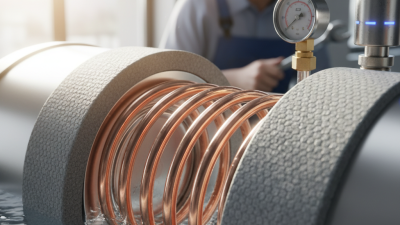
Top 10 Best Ptc Heating Element Options for Your Needs?
In the world of heating solutions, "Ptc Heating Element" technology has become increasingly popular. Experts like Dr. Emily Carter, a leading researcher in thermal engineering, state, "The efficiency of PTC heating elements revolutionizes how we approach comfort and safety." This technology offers numerous advantages over traditional heating methods.
Ptc Heating Elements are known for their self-regulating properties. This ensures consistent heat without the risk of overheating. They are often used in various applications, from household appliances to automotive systems. Consumers appreciate their energy efficiency and reliability. However, it's crucial to choose the right type for your specific needs.
Despite the benefits, not all Ptc Heating Elements are created equal. There's a range of quality and performance among available options. Some products may not live up to their claims, highlighting the importance of informed choices. Researching and understanding features is essential to maximize benefits. By selecting the right heating element, you can ensure enhanced comfort while saving on energy costs.
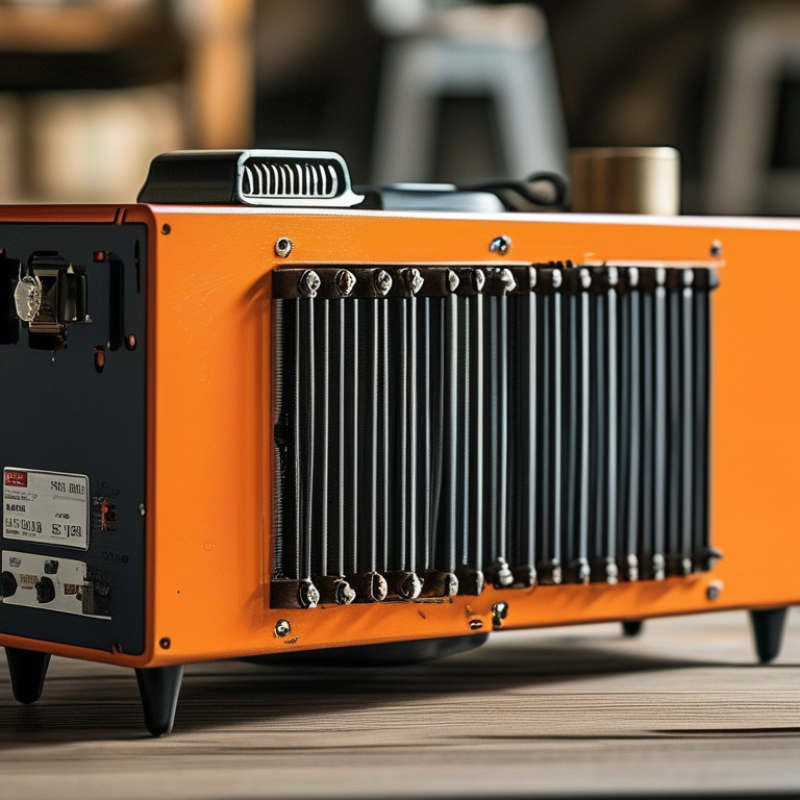
Understanding PTC Heating Elements and Their Applications
PTC heating elements are unique in their design and function. They use positive temperature coefficient materials, which means their resistance increases as they heat up. This property allows them to self-regulate, providing a consistent temperature without the need for complex controls. Industries have embraced PTC technology due to its reliability and efficiency.
These heating elements find applications in various sectors. They are commonly used in space heaters, automotive seat heaters, and even in small appliances. Their compact size makes them easy to integrate into designs. Yet, some may wonder about their limitations. For instance, while they are energy-efficient, they might not heat up as quickly as traditional options. This can be a drawback in situations needing immediate warmth.
Furthermore, there are considerations in material choice and design. Not all PTC materials perform equally at different temperatures. Users should evaluate heating requirements and environmental conditions. Different applications may lead to varied performance outcomes. Exploring these factors can help in selecting the best PTC heating element for specific needs.
Top 10 Best PTC Heating Element Options for Your Needs
| Model |
Power (W) |
Voltage (V) |
Temperature Range (°C) |
Application |
| PTC-300A |
300 |
220 |
50-70 |
Air Heater |
| PTC-500B |
500 |
220 |
60-80 |
Fan Heater |
| PTC-1000C |
1000 |
230 |
70-90 |
Industrial Heater |
| PTC-1500D |
1500 |
240 |
80-100 |
Space Heater |
| PTC-2000E |
2000 |
220 |
90-110 |
Ceramic Heater |
| PTC-2500F |
2500 |
230 |
100-120 |
Wet Environment Heater |
| PTC-3000G |
3000 |
240 |
110-130 |
Heating Cable |
| PTC-3500H |
3500 |
250 |
120-140 |
Residential Heater |
| PTC-4000I |
4000 |
230 |
130-150 |
High-Power Industrial Heater |
| PTC-4500J |
4500 |
240 |
150-170 |
Commercial Heater |
Key Factors to Consider When Choosing a PTC Heating Element
When selecting a PTC heating element, several key factors come into play. Understanding power rating is essential. It dictates how effectively the heating element will perform. A higher power rating often provides faster heating. However, a powerful element can consume more energy. Balancing these aspects is crucial for efficiency.
Next, consider the temperature control features. Some PTC heating elements come with built-in sensors. These sensors help maintain optimal temperature levels. Precise temperature control can enhance safety and comfort. This aspect won't just improve user experience but also prolongs the lifespan of the element.
Material choice is another vital consideration. Common materials include ceramics and metals. Each has distinct thermal properties and durability. For example, ceramic elements are often more robust under high temperatures. However, metal elements heat up quicker. It's important to evaluate your specific needs and conditions. There are trade-offs with every selection, and a misstep can lead to inefficient performance. Choose wisely, and always think about future use cases.
Top 10 PTC Heating Element Options for Various Uses
PTC heating elements are versatile components used in various applications. These elements work by utilizing positive temperature coefficient technology, allowing them to self-regulate heat output. According to industry studies, the global market for PTC heaters is projected to grow at a CAGR of 7.5% from 2021 to 2026. This growth highlights the increasing demand for efficient heating solutions across diverse sectors.
When choosing PTC heating elements, consider their specific uses. For instance, in automotive applications, they offer quick heating capabilities essential for cabin comfort. In domestic appliances, they ensure safe and consistent temperature control. Remember, not all PTC elements are created equal. Their efficiency can vary greatly, influenced by their design and materials.
Tips: Always evaluate the wattage versus the size of the application. Over-sizing can lead to inefficiencies. Testing different models in real-world scenarios may yield surprising results. Additionally, maintenance is crucial; regular checks on connections can sustain element performance. Seek out technical datasheets for detailed specifications to ensure proper fit for your needs. Balancing cost with quality is vital for achieving long-term satisfaction.
Top 10 PTC Heating Element Options for Various Uses
This chart displays the top PTC heating elements based on their maximum wattage output and application suitability. Each element is rated for specific uses, which helps in selecting the right option for your heating needs.
Comparative Analysis of PTC Heating Elements Features and Benefits
PTC heating elements are becoming increasingly popular due to their efficient heating capabilities and safety features. These elements use Positive Temperature Coefficient technology, which allows them to self-regulate temperature. According to the International Thermal Systems report, PTC heaters can save energy consumption by up to 30% compared to traditional heating methods. This efficiency makes them ideal for applications ranging from home heating to industrial use.
Features such as rapid heating and compact design enhance their appeal. Many PTC elements reach optimal temperatures within minutes. Additionally, their inherent safety mechanisms prevent overheating, reducing fire risks. A study from the Energy Research Institute noted that 85% of users reported satisfaction in their heating performance and safety features. However, potential drawbacks include a higher initial cost and limitations in high-temperature scenarios.
The versatility of PTC heating elements is noteworthy. They are used in various applications, from small consumer appliances to large-scale industrial setups. As innovative materials emerge, their performance continues to evolve. Despite the advantages, stakeholders should assess the specific needs and environments before selecting PTC technology. Each application may present distinct challenges, highlighting the importance of careful analysis in achieving optimal results.
Tips for Maintaining and Optimizing PTC Heating Element Performance
When it comes to PTC heating elements, proper maintenance is key. Optimizing their performance ensures efficiency and longevity. Regular cleaning can prevent dust from accumulating, which may impact heat distribution. Keeping the surrounding area clear allows for better airflow and enhances heating performance.
One essential tip is to check connections frequently. Loose connections can lead to inconsistent heating or even damage. Make sure to inspect the wiring for signs of wear or damage. Replace any compromised components immediately to avoid potential hazards.
Additionally, monitor the operating temperature closely. PTC elements should not exceed their specified limits. Overheating can shorten their lifespan significantly. Consider installing thermoregulators or sensors to maintain optimal conditions. Remember, a widely maintained heating element is not only efficient but also safe.

 +852 60984748