 +852 60984748
Leave Your Message
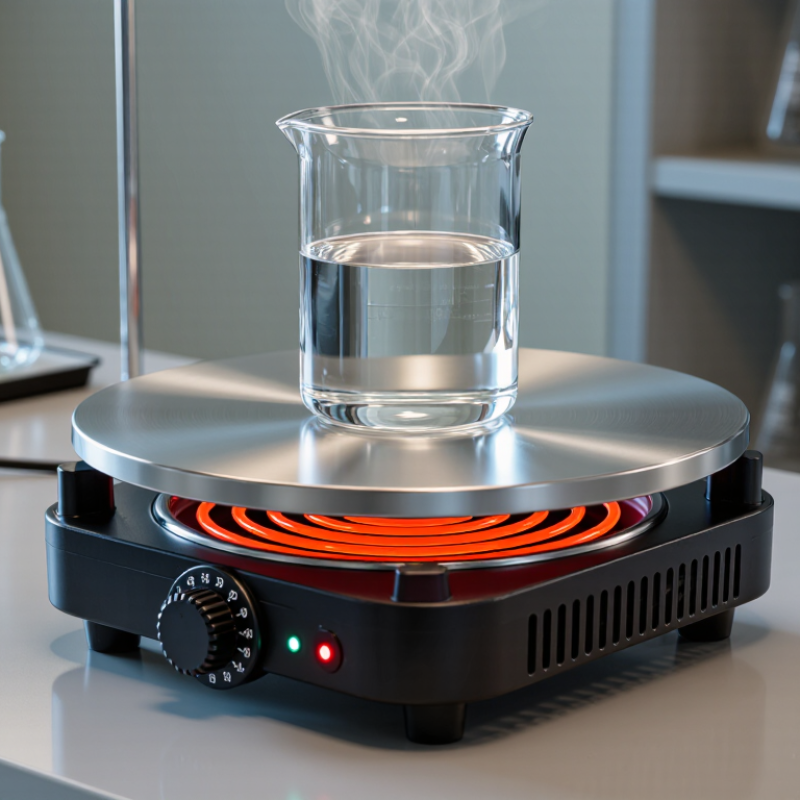
What Is a Hot Plate Heater and How Does It Work? This guide introduces the compact appliance behind many laboratory, kitchen, and workshop heating tasks. A Hot Plate Heater converts electrical energy into heat through a resistance element beneath its metal surface. When current passes through the element, electrical resistance produces heat. That heat then moves into a pan, beaker, or other compatible container.
Thermodynamics author Yunus A. Çengel describes heat simply: “Heat is energy in transition.” This idea explains the appliance clearly. The heater does not create temperature from nothing. It transfers energy from the electrical circuit to the heating surface, then into the container and its contents. Some models use ceramic plates, while others use cast iron or coated metal surfaces. Temperature controls adjust power, although the dial may not equal the exact surface temperature. That detail matters.
In practical use, the plate may glow, cycle on and off, or remain visually unchanged while heating. A saucepan can feel warm at the edges before its center becomes hot. Uneven heating remains a common limitation. The simple explanation has limits.
This article examines heating elements, thermostats, temperature control, heat transfer, energy use, and safe operation. It also considers real-world details, including residual heat after shutdown and damage caused by spills. A Hot Plate Heater appears straightforward, but reliable performance depends on design, cookware, ventilation, and careful handling. Claims of instant or perfectly uniform heating deserve scrutiny. They sound convenient, yet they are not always accurate.
What Is a Hot Plate Heater?
A hot plate heater is a compact electric appliance for heating cookware on a flat surface. It usually contains a resistance coil or ceramic heating element beneath a metal plate. When electricity passes through the element, resistance produces heat. The plate then transfers heat to a pan through direct contact. A thermostat or power control adjusts the temperature, although basic models may cycle unevenly. You can see this when oil warms slowly, then suddenly begins to shimmer. It is not the same as a room heater. Its main purpose is cooking, warming, or laboratory heating.
The U.S. Department of Energy explains that electric resistance devices convert nearly all incoming electricity into heat at the point of use. However, actual cooking efficiency depends on pan size, contact quality, and heat loss. A warped pan may leave cold gaps. That small detail matters. The NFPA Home Structure Fires report found that cooking equipment caused about 53% of reported home structure fires from 2017 to 2021. Therefore, a hot plate needs stable placement, ventilation, and close supervision. The device appears simple, but simple equipment still requires judgment.
Tips: Use a flat, dry pan that matches the plate diameter. Keep paper, fabric, and plastic away from the heating area. Unplug the unit after use, and allow the surface to cool completely. Temperature markings can be approximate, so test heat gradually instead of trusting the dial alone.
| Data Dimension | Typical Information | How It Relates to Operation |
|---|---|---|
| Basic Definition | A compact electric cooking appliance with one or more heated surfaces. | It provides a portable heat source for cookware without requiring a built-in kitchen range. |
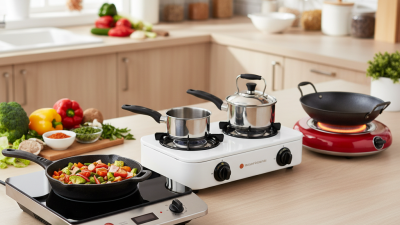
| Primary Heating Methods | Electric coil, solid heating plate, ceramic radiant element, or induction coil. | Each method transfers heat differently: coils and solid plates heat directly, ceramic elements radiate heat through a glass surface, and induction heats compatible cookware through magnetic fields. |
| Typical Power Range | Approximately 500 to 1,800 watts for common household models. | Higher wattage generally allows faster heating, but it also increases electricity consumption during operation. |
| Temperature Control | Adjustable dial, rotary control, touch controls, or preset cooking levels. | The control changes the electrical power delivered to the heating element, helping regulate the cooking temperature. |
| Heating Surface | Usually one or two circular cooking zones made from metal, ceramic glass, or another heat-resistant material. | The surface supports the cookware and transfers or induces heat at the base of the pan. |
| Compatible Cookware | Metal cookware with a flat base is generally suitable for conventional hot plates. Induction units require magnetic cookware. | A flat base improves contact and heat transfer. Induction heating typically works with magnetic stainless steel or cast-iron cookware. |
| Heat Transfer Process | Conduction, radiation, or electromagnetic induction, depending on the heater type. | Conduction passes heat from the surface to the pan, radiation transfers heat from a glowing element, and induction generates heat directly within the compatible pan. |
| Heating Speed | Often takes several minutes to heat cookware, depending on wattage, pan size, food volume, and starting temperature. | Heating speed is affected by the power rating and how efficiently the cookware absorbs and distributes heat. |
| Temperature Response | Conventional elements may remain hot after the power is reduced or switched off; induction usually responds more quickly. | Residual heat can continue cooking food, so users may need to remove the pan or adjust the setting before the desired temperature is reached. |
| Energy Use | Electricity consumption depends mainly on wattage and operating time. | A 1,000-watt heater used for one hour consumes approximately 1 kilowatt-hour of electricity, before accounting for control cycling or reduced power settings. |
| Common Safety Features | Overheat protection, non-slip feet, indicator lights, automatic shutoff, and cool-touch controls may be included. | These features help reduce the risk of overheating, unintended operation, burns, and accidental movement during use. |
| Typical Applications | Small kitchens, dormitories, temporary cooking areas, outdoor food preparation, laboratory heating, and food warming. | Its compact design makes it useful where a full-size stove is unavailable or where an additional cooking surface is needed. |
| Advantages | Portable, relatively simple to operate, easy to store, and suitable for many cooking tasks. | The appliance can be placed on a stable, heat-resistant surface and used wherever a properly rated electrical outlet is available. |
| Limitations | Limited cooking capacity, exposed hot surfaces on some designs, slower cooling, and possible incompatibility with certain cookware. | Users should select cookware and operating conditions that match the heater type and should allow the unit to cool fully after use. |
| Recommended Placement | A level, stable, dry, and heat-resistant surface with adequate clearance around the appliance. | Clearance helps prevent heat damage, improves ventilation, and reduces the chance of the appliance being knocked over. |
Specifications and features vary by heater type and model. Always follow the appliance’s operating instructions and electrical safety requirements.